Ingredients
Method
Step 1: Simmer Butter & Water
- In a medium-sized saucepan, combine the butter and water over medium heat. As the butter begins to melt and incorporate with the water, keep an eye on it. When the mixture comes to a rapid simmer, you’re ready for the next step. Just listening to that bubbling sound gets me excited!
Step 2: Add Flour and Salt
- Now it’s time to incorporate the flour and a pinch of salt. Toss it all into the simmering liquid and grab a wooden spoon. Stir vigorously. You want the mixture to come together into a ball and pull away from the sides of the saucepan. This should take about a minute. If you've never made choux pastry before, it’s magical to watch!
Step 3: Cool the Mixture
- Once you've formed that dough ball, remove your saucepan from the heat. Let the mixture cool for about 10 minutes. Cooling is crucial since it prepares the dough for the eggs, preventing them from scrambling.
Step 4: Preheat the Oven
- While your mixture is cooling, turn on your oven and preheat it to 220°C (420°F) for a standard oven, or 200°C (fan oven). A hot oven is key to puffing up those little bites.
Step 5: Prepare Your Baking Trays
- Take 2 large or 3 standard baking sheets and lightly grease them with butter. This will help the parchment paper stick. Go ahead and line each sheet with parchment paper. Don’t skip this step; it makes for effortless cleanup later!
Step 6: Add Eggs into the Dough
- Transfer the cooled dough to a bowl. One egg at a time, crack them into the mixture, beating until fully incorporated before adding the next. The dough will slowly transform into a thick, glossy paste. It’ll take a little muscle, but it’s worth it! Don't rush this part; you want every egg well blended before moving to the next.
Step 7: Prepare the Piping Bag
- Once your dough is ready, (and arm workouts have been completed!), transfer it to a piping bag fitted with a round tip, around 13 to 15mm (1/2 to 3/5 inches).
Step 8: Pipe the Dough
- Now for the fun part: piping! On your prepared sheets, pipe tiny blobs of dough, each about 2 teaspoons’ worth, leaving around 5cm (2 inches) of space between each. A good batch will yield about 40 to 50 little rounds.
Step 9: Shape the Tops
- This is where we get all fancy. Wet your finger with a little water and gently pat down any peaks on the dough blobs. You’re looking to create rounded tops—a visual treat when they’re done!
Step 10: Bake the Profiteroles
- Pop your trays into the oven to bake for 15 minutes. Midway, switch the trays position so they both bake evenly. After 15 minutes, they should be puffed and golden. If they seem soft when you pierce them, leave them in for a few additional minutes.
Step 11: Pierce & Dry
- Once golden and crispy, take the profiteroles out and use a sharp knife to pierce the sides. This allows steam to escape and prevents them from getting soggy. Return them to the oven for just 5 to 7 more minutes for an extra crispy finish.
Step 12: Cool Before Filling
- Transfer your beautiful creations to a wire rack to cool fully. Do not rush; filling them while they are warm can lead to a gooey mess!
- Step 13: Prepare the Custard
- For the vanilla custard, whisk together the egg yolks and sugar in a bowl. Add the cornstarch for thickness. In another saucepan, heat the milk, extra sugar, and vanilla until just before boiling. Gradually whisk in a little hot milk into the egg mixture, then slowly blend in the remaining milk. Pour back into the saucepan and whisk over medium-low heat until the mixture thickens. Transfer to a bowl, press cling film on the surface to prevent a skin from forming, and refrigerate for several hours.
- Step 14: Fill the Profiteroles
- Once your custard has set, transfer it to the piping bag (or fill them with whipped cream or ice cream), and pipe it into your cooled profiteroles through the pierced hole or by creating a new one.
- Step 15: Make the Chocolate Sauce
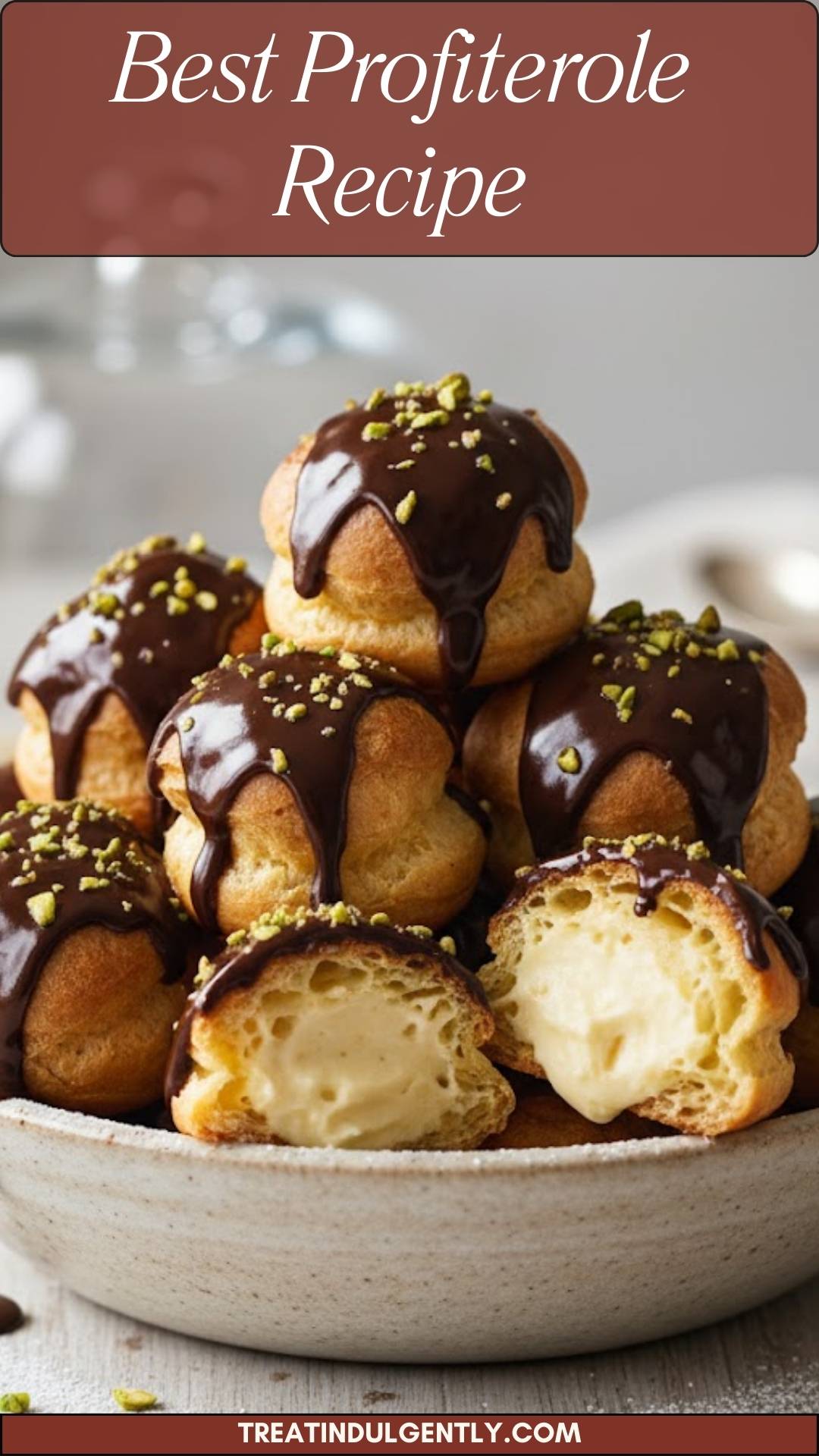
- To create the magical chocolate sauce, place the cream and dark chocolate in a heatproof bowl. Microwave this mixture for 30 seconds at a time, stirring in between, until it’s hot and fully combined. Let cool slightly before using it for drizzling over those puffs of deliciousness.
Notes
- Egg Temperature: Always use room-temperature eggs for better incorporation into the dough.
- Don’t Open the Oven: Resist the urge to peek at your profiteroles while they are baking. Opening the door can lead to collapsing!
- Pairs Well: Profiteroles can be filled with savory fillings if you're adventurous—think cheese blends!
- Extra Crunch: For something special, sprinkle a little coarse sea salt on top before serving.
- Adapt the Fillings: Feel free to play around with the fillings! There are no hard and fast rules.