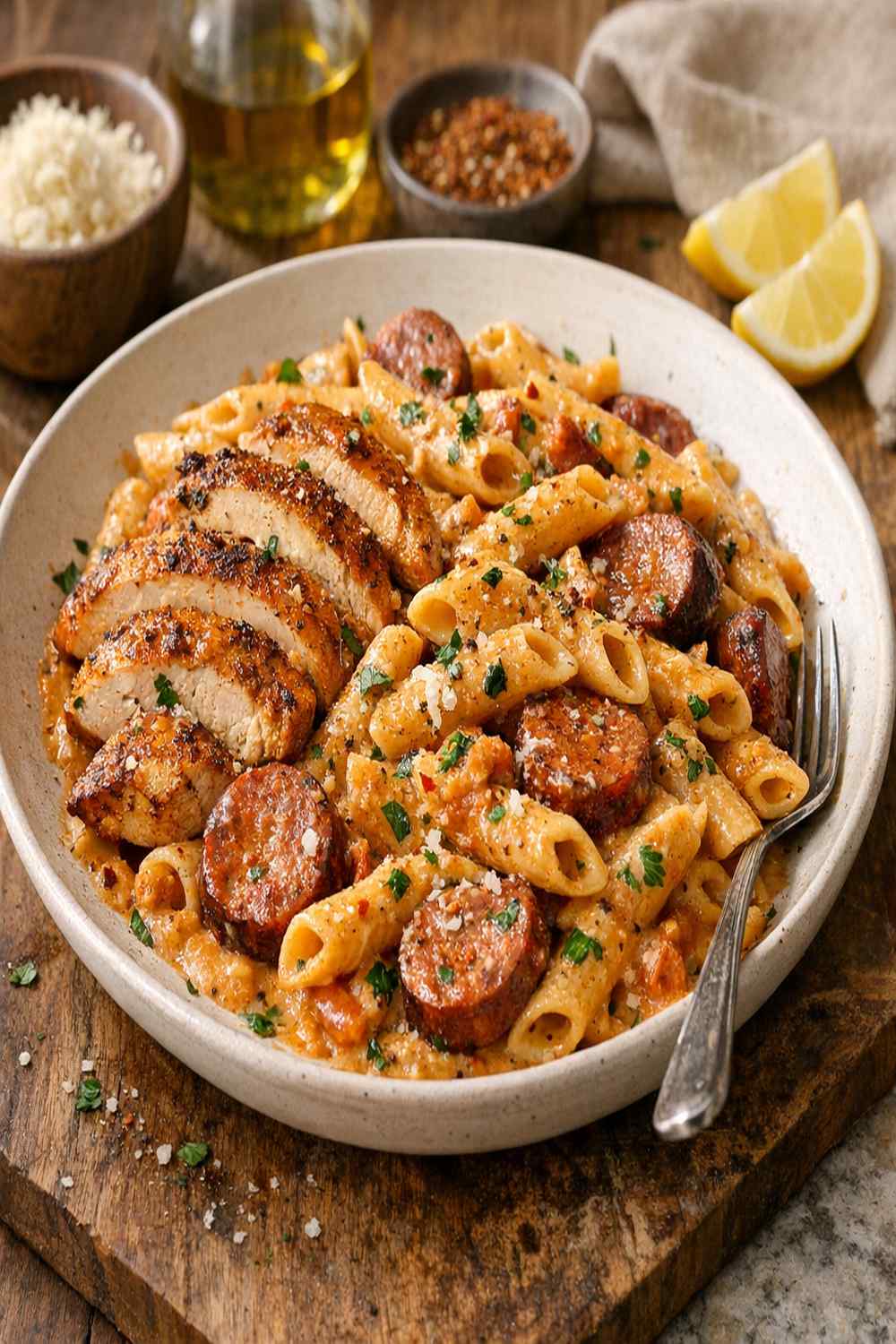

Ingredients
Method
Step 1: Prepare Your Pasta Water and Season Your Proteins
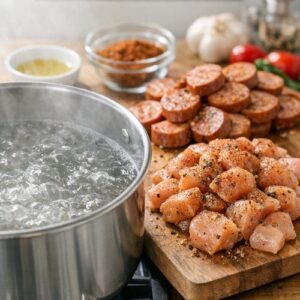
- Begin by bringing a large pot of generously salted water to a rolling boil—this is where your pasta develops flavor from the inside out. While that water heats, pat your chicken breasts completely dry with paper towels. This step is non-negotiable for achieving that beautiful golden sear. Season both sides with one teaspoon of Cajun seasoning, ¼ teaspoon of smoked paprika, and salt and pepper to taste. Let the chicken sit at room temperature for 10 minutes—this allows the seasoning to penetrate the meat rather than sitting on the surface.
Step 2: Sear the Chicken for Depth of Flavor
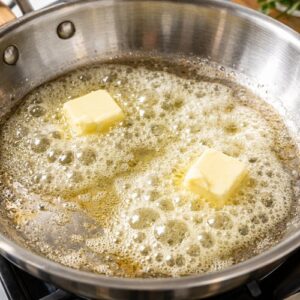
- Place a 12-inch stainless steel or cast iron skillet over medium-high heat and add 2 tablespoons of your butter. Once the butter foams—you'll see active bubbling—carefully place the seasoned chicken breasts in the pan. Don't move them. Let them develop a deep golden crust for 6-7 minutes on the first side. This is where genuine flavor builds. Flip once and sear the other side for 5-6 minutes. The chicken won't be fully cooked through at this point, and that's exactly right. Remove it to a clean plate.
Step 3: Build Your Flavor Foundation with Sausage and Mushrooms
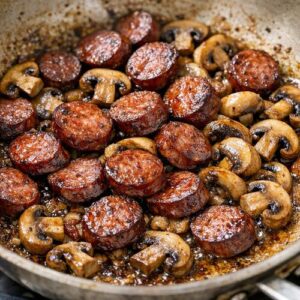
- Add your sliced smoked sausage to the same pan—you want those browned bits (called fond) from the chicken to interact with the sausage. Cook for 3-4 minutes, stirring occasionally, until the sausage releases its oils and develops color. Add your remaining 2 tablespoons of butter, then immediately add the sliced mushrooms. This is crucial timing: the butter will coat your mushrooms and help them release their moisture properly. Cook the mushrooms for 5-6 minutes, stirring occasionally, until they're deeply golden and have released their liquid. This step adds earthiness that complements the Cajun spices beautifully.
Step 4: Add Aromatics and Deglazing Liquid
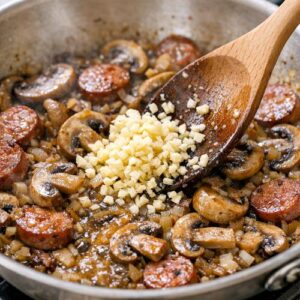
- Reduce your heat to medium and add the minced garlic directly to the mushroom mixture. Stir constantly for just 60 seconds—garlic burns quickly and becomes bitter if overcooked. You want fragrant, not browned. Now add your Worcestershire sauce and the remaining 2 teaspoons of Cajun seasoning plus the remaining ¼ teaspoon smoked paprika and ½ teaspoon garlic powder. Stir thoroughly to combine, allowing the spices to bloom in the heat for about 30 seconds.
Step 5: Create the Cream Sauce
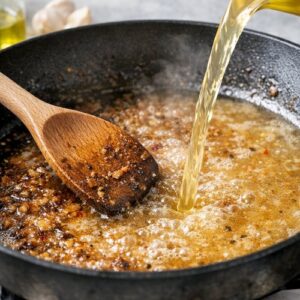
- Pour in your low-sodium chicken broth, scraping the bottom of the pan with a wooden spoon to incorporate all those flavorful browned bits. Let this simmer for 2 minutes to reduce slightly and allow the flavors to meld. Reduce your heat to medium-low before adding the heavy cream—high heat can break a cream sauce. Slowly pour in the cream while stirring gently. Let this cook for 2-3 minutes, just until it begins to thicken slightly and reaches a simmer. Do not allow it to boil rapidly.
Step 6: Return the Chicken and Create the Perfect Consistency
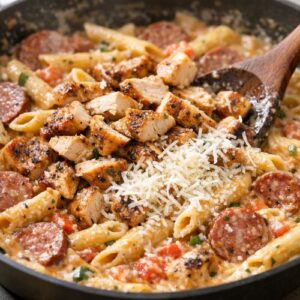
- Slice your cooked chicken into bite-sized pieces and return it to the pan along with any accumulated juices. Stir in the freshly grated Parmesan cheese slowly, stirring constantly, until it's completely melted and incorporated. The sauce should now be luxuriously creamy and coat the back of a spoon. If it seems too thick, add a splash of reserved pasta water (that starchy water is liquid gold for sauce consistency). Taste and adjust seasoning with sea salt and fresh black pepper. This is where your palate matters—you want balanced heat, not overwhelming spice.
Step 7: Cook Your Pasta to Perfect Texture
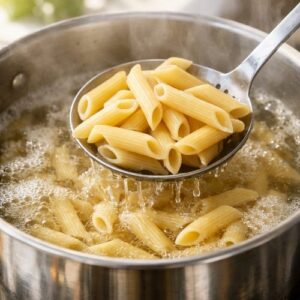
- If your pasta water isn't boiling yet, add your penne now and cook according to package directions, but aim for one minute before al dente—the pasta will continue cooking when combined with the hot sauce. Reserve 1 cup of pasta water before draining. Fresh pasta needs less time; dried pasta may need the full time. The starch in that reserved water is essential for finishing your sauce to the perfect consistency.
Step 8: Combine and Finish with Intention
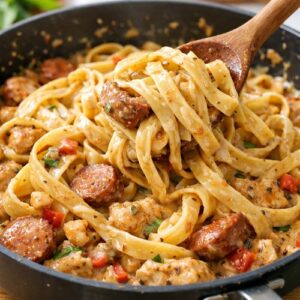
- Add your drained pasta directly to the creamy sauce and toss gently but thoroughly over medium-low heat for 1-2 minutes. This allows the pasta to absorb the flavors and helps the sauce cling beautifully. If the sauce seems thick after combining, add reserved pasta water one tablespoon at a time until you reach that perfect velvety consistency. Finish with fresh lemon juice if desired—just a teaspoon makes a remarkable difference, brightening all the rich flavors.
Notes
- Rushing the chicken sear - This is where genuine flavor develops through the Maillard reaction. Those browned bits aren't just aesthetic; they create the foundation for your entire dish. Don't move the chicken around in the pan, and don't crowd the pan with too much meat at once. Patience here is rewarded with flavor.
- Using pre-grated Parmesan - I know this seems like a minor detail, but pre-grated Parmesan contains anti-caking agents that prevent proper emulsification with your sauce. You'll end up with grainy texture instead of that silky consistency. Block Parmesan grated on a microplane takes two minutes and transforms the result entirely.
- Adding cream at high heat - This is the fastest way to break your sauce and create a grainy, separated mess. Reduce heat to medium-low before cream goes into the pan, and keep the heat gentle throughout. A simmer, not a boil, is your friend.
- Cooking pasta to full al dente before combining with sauce - This leaves you with slightly mushy pasta by the time everything is combined and plated. Aim for one minute before al dente when cooking, then the pasta finishes perfectly in the warm sauce.