
So, the sun is shining, and you have a gathering lined up. The perfect opportunity to serve a dessert that not only impresses but also feels like a giant hug in food form—enter pavlova! There’s something undeniably light and luxurious about this heavenly dessert.
Brilliantly crisp on the outside yet marshmallow-soft on the inside, pavlova pairs beautifully with warm summer days and a chilled rosé. I find that it’s the ideal sweet for barbecues or parties because it’s not overly heavy, allowing guests to indulge without feeling weighed down.
Trust me when I say this: once you serve homemade pavlova, you’ll be showered with compliments.
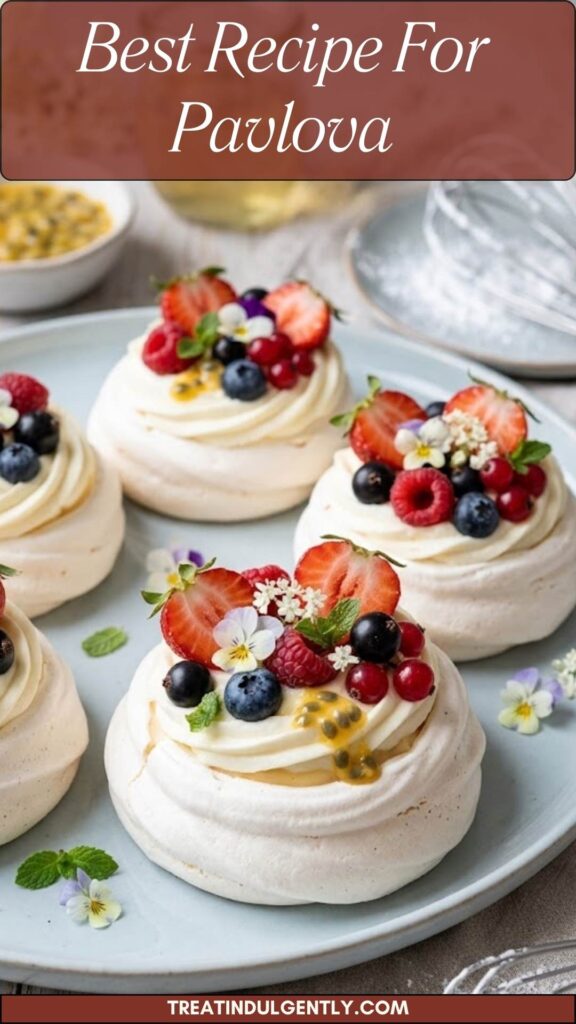
Pavlova is a classic dessert that has graced tables across Australia and New Zealand for generations. Named after the Russian ballerina Anna Pavlova, this dish is famed for its delicate texture and delightful simplicity.
It really shines as a summer dessert, bringing together the best of fresh seasonal fruits and luscious whipped cream. If you’re looking for a crowd-pleaser that doubles as a showstopper, pavlova is where it’s at.
You Might Like These Recipes!
What is the Best Recipe for Pavlova?
Pavlova is essentially a giant meringue cake. Made with just a handful of ingredients, it transforms egg whites and sugar into something almost magical. The typical version involves whipping egg whites until they achieve a cloud-like consistency, mixing in sugar, and then baking to perfection in a low oven. The exterior becomes crispy while the interior remains soft and chewy. Topped with cream and fresh fruit, this dessert is a true delight for both the eyes and the palate.
How Does It Taste?
When you take your first bite of pavlova, you’re greeted by an irresistible crunch that gives way to a sweet, pillowy interior. The layers of whipped cream bring a rich creaminess, which pairs splendidly with the tartness of fresh fruits. It’s a wonderful balance of textures and flavors—sweet and crunchy contrasted with smooth and creamy, plus that hint of tang from the fruit that keeps every bite exciting.
Why You’ll Love This Recipe
You will absolutely love this pavlova recipe because it’s straightforward without compromising on taste. It makes for a stunning dessert that can be a centerpiece at any gathering. This version is easy to prepare ahead of time, saving you the frustration of last-minute cooking. Plus, it’s wonderfully versatile. Whether topped with berries, tropical fruits, or even a drizzle of chocolate, pavlova lets you get creative while keeping things delicious and healthy. Perfect for impressing your guests or just treating yourself!
The Ingredients
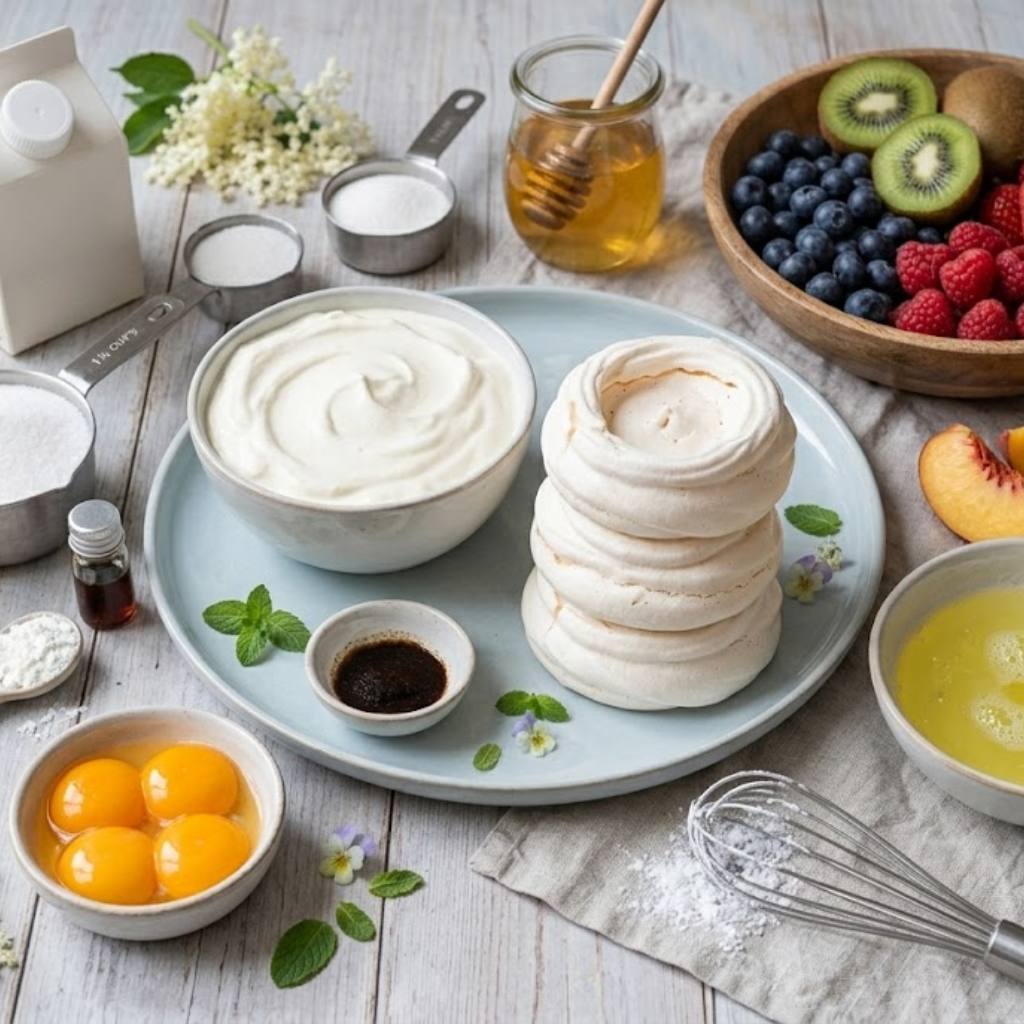
To whip up this fantastic pavlova, you will need the following ingredients:
For Pavlova:
– 6 large egg whites, at room temperature
– 1 ½ cups granulated sugar
– 2 teaspoons cornstarch
– ½ tablespoon lemon juice
– ½ tablespoon vanilla extract
– 1 tablespoon white vinegar (adds a hint of tang and stabilizes the meringue)
For Cream:
– 1 ½ cups heavy whipping cream, chilled
– 2 tablespoons granulated sugar
– 1 teaspoon vanilla extract (for extra flavor)
For Topping/Decor:
– 4-5 cups fresh fruit (blueberries, kiwi, raspberries, sliced strawberries, peaches, etc.)
– 15 mint leaves, for garnish (optional)
The addition of white vinegar in the pavlova mix adds a nice tang that complements its overall flavor, and a touch of vanilla in the cream elevates the dessert even more.
Ingredients From : natashaskitchen.com
How to Make the Best Recipe for Pavlova?
Let’s dive into the steps! Making pavlova is simpler than you might think, and it’s truly rewarding when you see it rise in the oven and transform into a beautiful dessert.
Step-by-Step Directions
Step 1: Preheat the Oven and Prepare the Pan
Preheat your oven to 225°F (about 107°C). Line a large baking sheet (about ¾ size) with parchment paper. It’s crucial to ensure that the surface is smooth, as this will help your pavlova maintain its shape during baking.
Step 2: Beat the Egg Whites
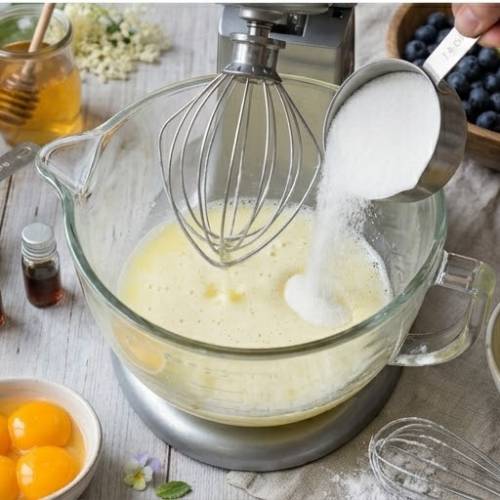
In your stand mixer, add the 6 room-temperature egg whites. Beat them on high speed for about 1 minute until soft peaks begin to form. Soft peaks will slightly droop but still hold some shape. Now, with the mixer still running, gradually add the 1 ½ cups of granulated sugar—do this slowly over a few minutes. Continue to beat on high speed for about 10 minutes. You’re looking for stiff peaks, which means the mixture should look glossy and hold its shape firmly.
Step 3: Add Flavorings and Stabilizers
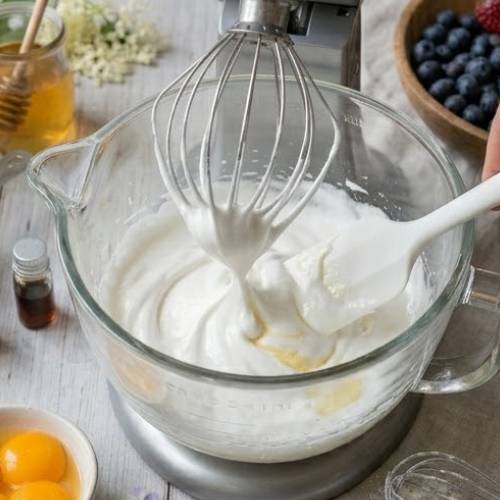
Once you’ve achieved those beautiful stiff peaks, it’s time to fold in your flavorings. Gently add the ½ tablespoon of lemon juice, ½ tablespoon of vanilla extract, 2 teaspoons of cornstarch, and 1 tablespoon of white vinegar. Use a spatula to fold these ingredients in carefully, ensuring that you don’t deflate your egg whites.
Step 4: Shape the Pavlova
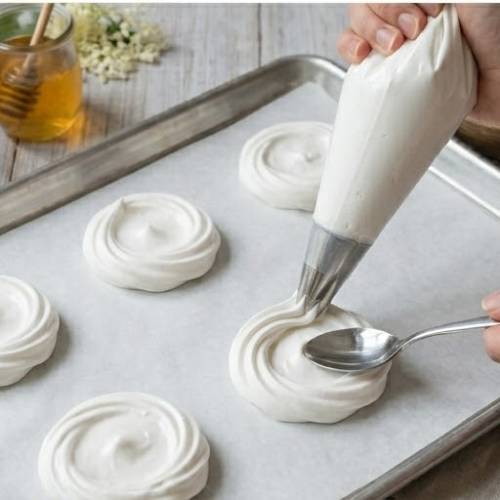
Now comes the fun part! Grab a piping bag fitted with a large round or star tip (like a Wilton 1M tip). Pipe your meringue into circles, about 3 to 3 ½ inches wide, on the parchment paper. Create a slight indentation in the middle with a spoon to hold cream and fruits.
Step 5: Bake
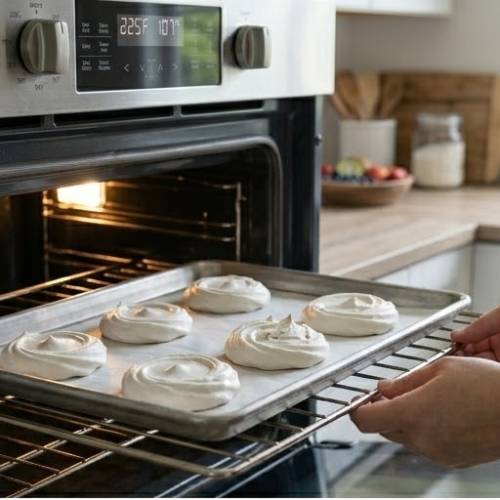
Place your baking sheet in the preheated oven. Bake for about 1 hour and 15 minutes. Once that time is up, turn off the oven but leave the pavlova inside without opening the door. Let it sit in the warm oven for another 30 minutes. This will allow the pavlova to set perfectly, developing that crisp exterior while keeping the inside soft.
Step 6: Cool the Pavlova
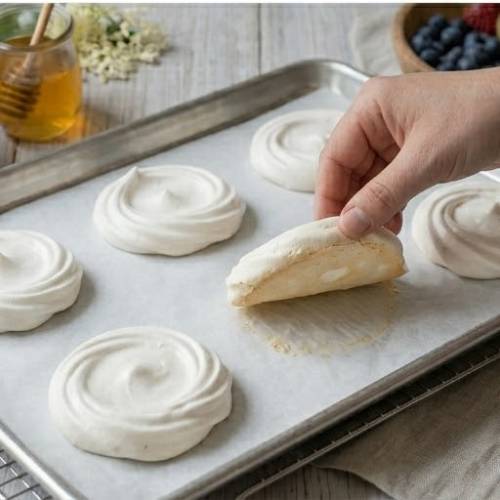
Once that time has passed, carefully transfer the pavlova with the parchment paper onto the countertop or a wire rack. Allow it to cool completely to room temperature.
Step 7: Make the Whipped Cream
In a large, cold mixing bowl, combine the chilled heavy whipping cream, 2 tablespoons of sugar, and 1 teaspoon of vanilla extract. Beat on high speed for 2 to 2 ½ minutes until your cream is thickened and spreadable. You want it fluffy and luscious, but not over-whipped!
Step 8: Assemble the Pavlova
Now for the cherry on top—literally! Pipe the whipped cream onto the cooled pavlova, and arrange your fresh fruits in a beautiful pattern atop the cream. Feel free to get creative—this is your moment to shine! Add mint leaves for a lovely garnish if you wish.
Tips on Making the Best Recipe for Pavlova
– Room Temperature Egg Whites: Make sure your egg whites are at room temperature. This helps to achieve maximum volume when whipping.
– Clean Equipment: Ensure that your mixing bowl and beaters are completely clean and free from any grease or yolk. A single drop can affect the meringue.
– Slowly Add Sugar: Adding sugar too quickly can cause the meringue to collapse. Take your time.
– Don’t Open the Oven: While the pavlova is baking and resting, resist the urge to open the oven door. Temperature changes can ruin your hard work.
– Serve Immediately: Pavlova is best served shortly after it’s assembled, as the cream and fruit can cause the meringue to soften.
Storage Tips
Pavlova is best enjoyed the same day you make it, but you can store the individual components separately. Store the cooled pavlova in an airtight container at room temperature for up to 2 days. Whipped cream can be stored in the refrigerator for up to 4 days. Fresh fruits should be prepped just before serving to keep them vibrant and fresh.
Serving Suggestions
1. Fresh Berries: Top the pavlova with a mix of strawberries, blueberries, and raspberries for a classic touch.
2. Tropical Fruit: Try mango, passionfruit, and kiwi slices for a fun, tropical twist.
3. Chocolate Drizzle: Add a light drizzle of melted dark chocolate for an indulgent touch.
4. Nuts: Consider sprinkling some toasted pistachios or almonds for a crunchy bite.
5. Flavor Variations: Incorporate flavored whipped cream, like coconut or almond, for an interesting twist.
What Other Substitute Can I Use in Best Recipe for Pavlova?
1. Egg Whites: If you have an egg white substitute, like aquafaba (chickpea brine), you can use 3 tablespoons equating to one egg white.
2. Sugar: Coconut sugar can replace granulated sugar for a bit of a caramel flavor.
3. Cream: Replace heavy cream with coconut cream for a dairy-free alternative.
4. Fruits: Most fruits can be used; however, avoid watery fruits like watermelon as they can make the meringue soggy.
5. Extracts: Feel free to use almond or mint extract in the meringue instead of vanilla for a unique flavor.
Conclusion
Pavlova is a remarkable dessert that proves beauty doesn’t have to come at the expense of simplicity. The mix of textures—the crunchy outer shell, the soft center, and the luscious toppings—creates a memorable experience for anyone lucky enough to enjoy it.
I hope this recipe inspires you to try your hand at making your own pavlova and sharing it with friends and family. Keep it fresh, keep it fun, and relish every bite of your glorious creation!
You Might Also Like These Latest Recipes!

Best Recipe For Pavlova – Treat Indulgently
Description
Pavlova is a classic dessert that has graced tables across Australia and New Zealand for generations. Named after the Russian ballerina Anna Pavlova, this dish is famed for its delicate texture and delightful simplicity.
Ingredients
For Pavlova:
For Cream:
For Topping/Decor:
Instructions
Step 1: Preheat the Oven and Prepare the Pan
-
Preheat your oven to 225°F (about 107°C). Line a large baking sheet (about ¾ size) with parchment paper. It’s crucial to ensure that the surface is smooth, as this will help your pavlova maintain its shape during baking.
Step 2: Beat the Egg Whites
-
In your stand mixer, add the 6 room-temperature egg whites. Beat them on high speed for about 1 minute until soft peaks begin to form. Soft peaks will slightly droop but still hold some shape. Now, with the mixer still running, gradually add the 1 ½ cups of granulated sugar—do this slowly over a few minutes. Continue to beat on high speed for about 10 minutes. You’re looking for stiff peaks, which means the mixture should look glossy and hold its shape firmly.
Step 3: Add Flavorings and Stabilizers
-
Once you’ve achieved those beautiful stiff peaks, it’s time to fold in your flavorings. Gently add the ½ tablespoon of lemon juice, ½ tablespoon of vanilla extract, 2 teaspoons of cornstarch, and 1 tablespoon of white vinegar. Use a spatula to fold these ingredients in carefully, ensuring that you don’t deflate your egg whites.
Step 4: Shape the Pavlova
-
Now comes the fun part! Grab a piping bag fitted with a large round or star tip (like a Wilton 1M tip). Pipe your meringue into circles, about 3 to 3 ½ inches wide, on the parchment paper. Create a slight indentation in the middle with a spoon to hold cream and fruits.
Step 5: Bake
-
Place your baking sheet in the preheated oven. Bake for about 1 hour and 15 minutes. Once that time is up, turn off the oven but leave the pavlova inside without opening the door. Let it sit in the warm oven for another 30 minutes. This will allow the pavlova to set perfectly, developing that crisp exterior while keeping the inside soft.
Step 6: Cool the Pavlova
-
Once that time has passed, carefully transfer the pavlova with the parchment paper onto the countertop or a wire rack. Allow it to cool completely to room temperature.
Step 7: Make the Whipped Cream
-
In a large, cold mixing bowl, combine the chilled heavy whipping cream, 2 tablespoons of sugar, and 1 teaspoon of vanilla extract. Beat on high speed for 2 to 2 ½ minutes until your cream is thickened and spreadable. You want it fluffy and luscious, but not over-whipped!
Step 8: Assemble the Pavlova
-
Now for the cherry on top—literally! Pipe the whipped cream onto the cooled pavlova, and arrange your fresh fruits in a beautiful pattern atop the cream. Feel free to get creative—this is your moment to shine! Add mint leaves for a lovely garnish if you wish.
Nutrition Facts
Servings 8
- Amount Per Serving
- Calories 220kcal
- % Daily Value *
- Total Fat 9g14%
- Total Carbohydrate 32g11%
- Protein 2g4%
* Percent Daily Values are based on a 2,000 calorie diet. Your daily value may be higher or lower depending on your calorie needs.
Note
- Room Temperature Egg Whites: Make sure your egg whites are at room temperature. This helps to achieve maximum volume when whipping.
- Clean Equipment: Ensure that your mixing bowl and beaters are completely clean and free from any grease or yolk. A single drop can affect the meringue.
- Slowly Add Sugar: Adding sugar too quickly can cause the meringue to collapse. Take your time.
- Don’t Open the Oven: While the pavlova is baking and resting, resist the urge to open the oven door. Temperature changes can ruin your hard work.
- Serve Immediately: Pavlova is best served shortly after it’s assembled, as the cream and fruit can cause the meringue to soften.