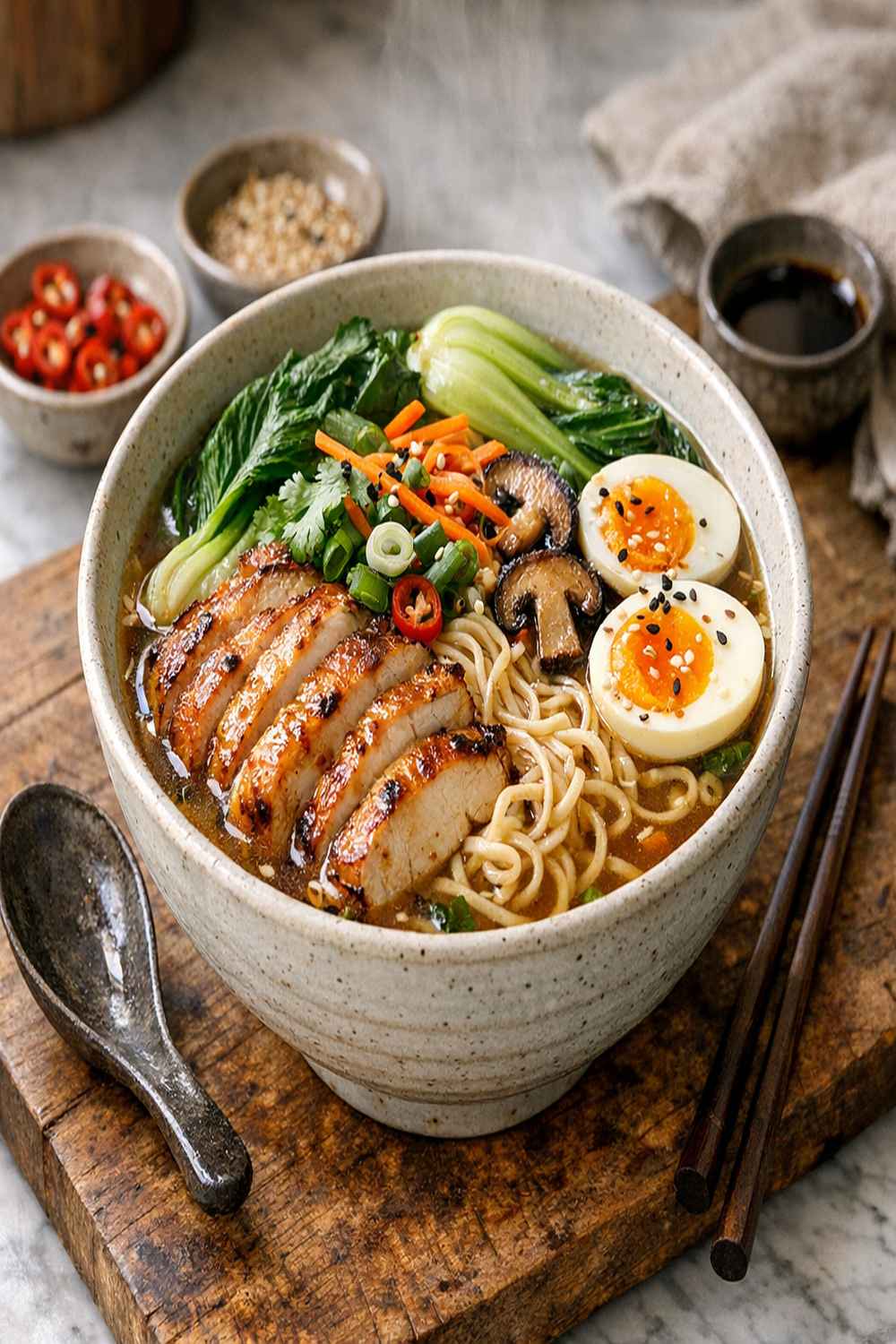

Ingredients
Method
Step 1: Revive Your Chicken With Gentle Heat
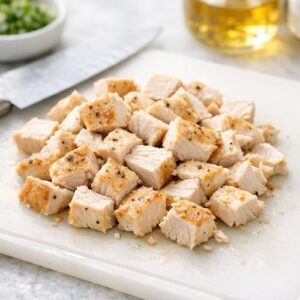
- If your chicken breasts are truly from yesterday, they've likely lost some moisture. Slice them into bite-sized pieces and set them aside on a clean cutting board. We're not going to drown them in broth immediately; instead, gently warm them in a small saucepan over medium-low heat with just a splash of water and a teaspoon of butter for about two minutes. This reintroduces moisture without making them tough. If your chicken was roasted with skin, crisp that skin briefly under the broiler before slicing—this adds textural contrast that's absolutely luxurious.
Step 2: Build Your Flavor Foundation
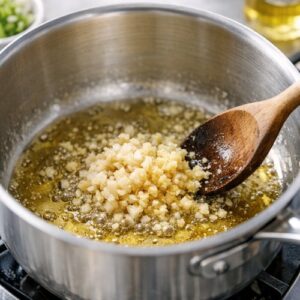
- In a medium saucepan, warm your sesame oil over medium heat and add the minced ginger and garlic together. Don't rush this step—let them bloom for exactly ninety seconds, until the kitchen smells incredible and you can see the garlic just starting to turn golden at the edges. The aromatics should be releasing their essential oils, creating a fragrant base. Add your dried shiitake mushrooms at this point and let them toast briefly, about one minute. This technique—toasting before simmering—deepens their umami character in ways that feel almost indulgent.
Step 3: Create Your Luxurious Broth
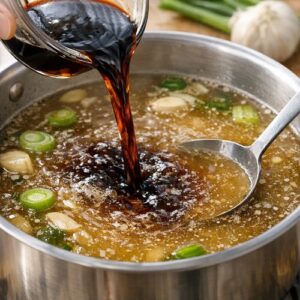
- Pour in your chicken stock, then add the soy sauce and mirin together. Stir gently and bring everything to a simmer over medium heat. Taste the broth at this point and adjust seasoning with sea salt—you're aiming for something that tastes deeply savory but not salty. From my dietitian perspective, this is where you're controlling sodium intake while maximizing flavor impact; mirin adds sweetness that rounds out the soy's sharpness. Let the broth simmer for five minutes so the mushrooms release their minerals and earthiness into the liquid.
Step 4: Soft-Boil Your Eggs (The Luxury Component)
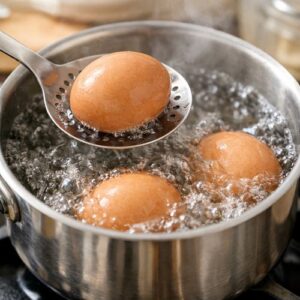
- While your broth is simmering, bring a separate small pot of water to a rolling boil. Gently lower your room-temperature eggs into the boiling water and set a timer for exactly six and a half minutes. This timing is crucial—you want yolks that are just barely set on the outside but still have that luxurious, jammy center. When the timer sounds, use a slotted spoon to transfer the eggs to an ice bath. The ice bath stops the cooking process immediately. Once cooled (about two minutes), gently peel them under cool running water, starting from the wider end. The contrast between the firm white and runny yolk is what makes ramen truly special.
Step 5: Cook Your Noodles Separately (This Matters)
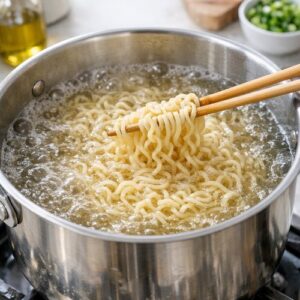
- Never—and I mean never—cook your ramen noodles in the broth itself. Bring a separate pot of water to a boil and cook the noodles according to package directions, usually about three minutes. Drain them immediately and rinse under cool water to stop the cooking process, then toss them with just a touch of sesame oil to prevent sticking. This technique keeps your broth clear and lets the noodles maintain their proper texture; they won't become mushy or absorb excess sodium from prolonged simmering.
Step 6: Add Your Transformed Chicken
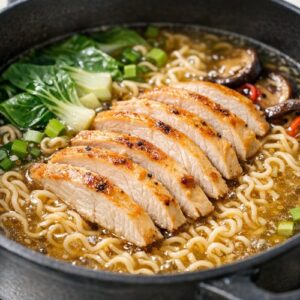
- Gently nestle your sliced, warmed chicken into the simmering broth and let it warm through for one minute. You're not cooking it further; you're simply bringing it back to temperature and allowing it to absorb some of that luxurious broth. Finish by stirring in the room-temperature butter—this emulsifies slightly and creates a silky mouthfeel that's absolutely indulgent but completely intentional. The butter rounds out flavors in ways that feel restaurant-quality.
Step 7: Assemble Your Bowl Like You're Plating for a Guest
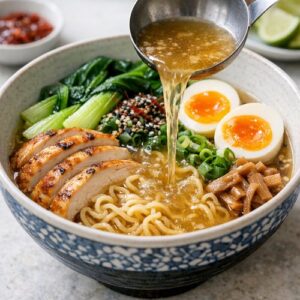
- Place your cooked noodles in a large, deep bowl—ideally ceramic or Japanese-style ramen bowls that retain heat beautifully. Ladle the hot broth over the noodles, ensuring you get plenty of mushrooms and aromatics in each bowl. Top with your sliced chicken, arranging it thoughtfully rather than randomly dumping it in. Halve your soft-boiled egg and place it yolk-side up in the center—this is your visual anchor and flavor highlight. Scatter the sliced scallions over top, and finish with a small drizzle of sesame oil and fresh jalapeño slices if using. The final garnish matters; it's the difference between a meal and an experience.
Notes
- Cooking noodles in the broth: This clouds your beautiful liquid and makes noodles mushy. Always cook noodles separately in salted water, as you would for pasta.
- Using pre-minced garlic or ginger: These oxidize quickly and lose their aromatic punch. Fresh is non-negotiable for this recipe; it's the difference between good and transcendent.
- Boiling eggs too long: Hard-boiled eggs create a sulfurous taste that clashes with the delicate broth. Six and a half minutes gives you that creamy yolk that makes ramen special.
- Skipping the ice bath for eggs: Even thirty seconds in ice water stops the cooking process and preserves that jammy center. This one small step changes everything.
- Overseasoning with soy sauce: This soup is meant to taste balanced and refined, not aggressively salty. Taste as you go and adjust gradually.
- Using low-quality ramen noodles: Cheap instant ramen has a different texture and often contains unwanted additives. Invest in quality dried ramen from Asian markets when possible.