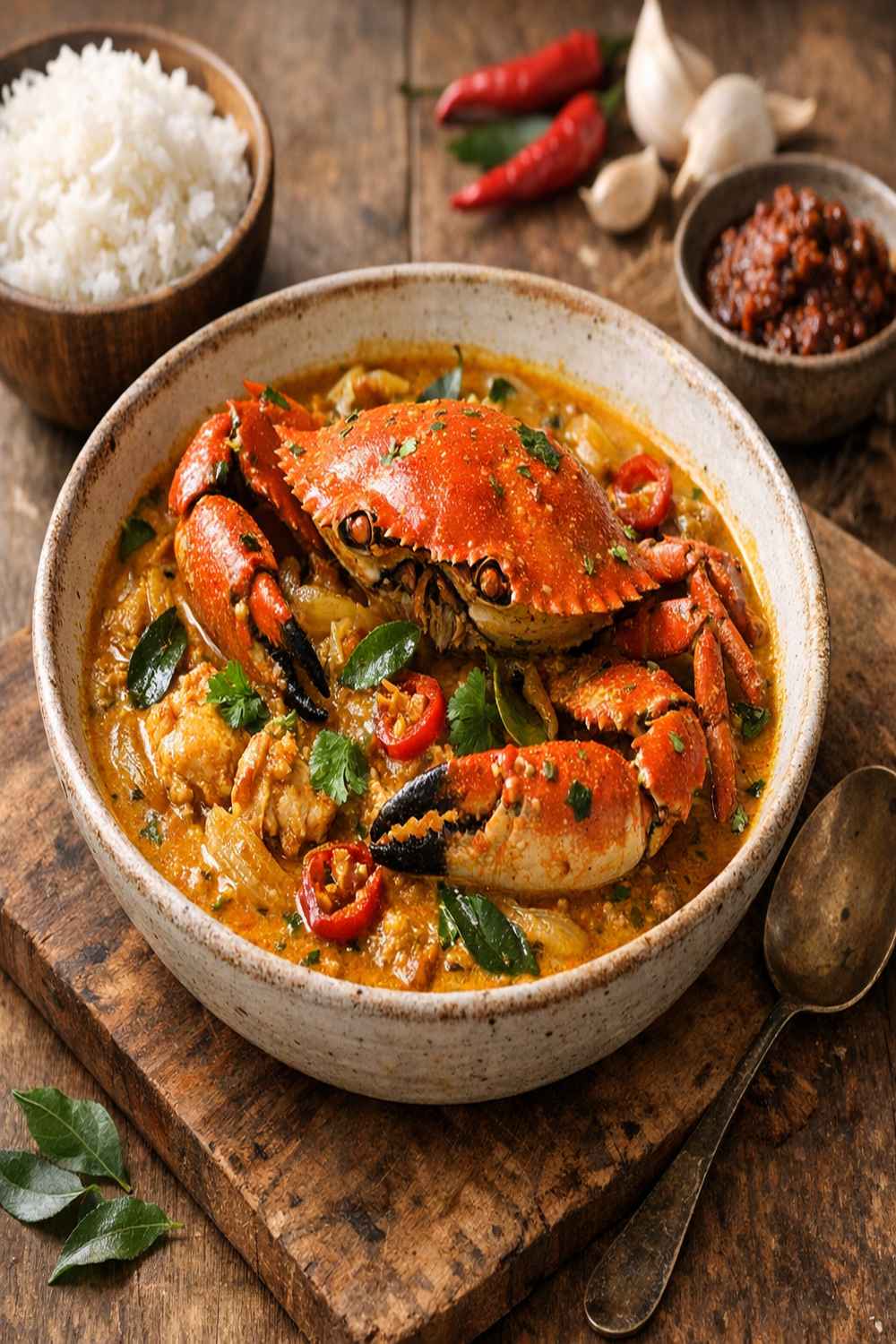

Ingredients
Method
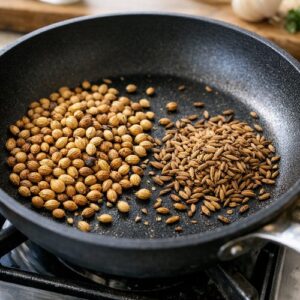
Step 1: Toast Your Whole Spices
- Begin with your dry spice blend because this is where the magic truly begins. In a small, dry skillet over medium heat, add your coriander seeds, cumin seeds, mustard seeds, black peppercorns, and fennel seeds. Let them toast for 3-4 minutes, stirring constantly, until the kitchen fills with an intoxicating aroma and the spices become slightly darker and fragrant. You'll notice the mustard seeds begin to pop slightly—that's your signal to stop. Don't rush this step; under-toasting leaves you with flat flavors, while over-toasting creates bitterness. Pour these toasted whole spices into a mortar and pestle (I cannot overstate how important a quality mortar and pestle is—I use a 4-cup granite one that was worth every penny). Grind them with intention, breaking them down until you have a coarse, fragrant powder. Some whole pieces remaining is actually desirable; it adds textural interest.
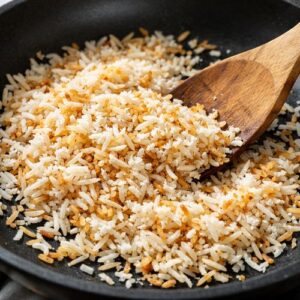
Step 2: Toast the Basmati Rice and Coconut
- In the same dry skillet, add your tablespoon of basmati rice and the desiccated or fresh coconut. Toast over medium heat for 2-3 minutes, stirring gently, until the rice begins to turn pale golden and the coconut smells warm and toasty. This step develops nutty flavors that become the subtle foundation of your curry. Transfer this mixture to your mortar and pestle, and grind it together with your toasted spices until you have a cohesive, aromatic blend.
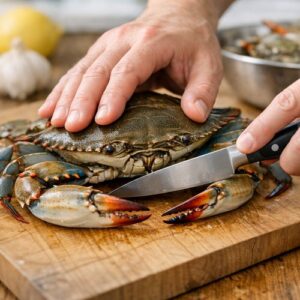
Step 3: Prepare Your Crabs
- While your spices cool slightly, it's time to address the crabs. If you've purchased them live, this requires quick, humane work. Place each crab in the freezer for 15-20 minutes to render it unconscious. Using a sharp chef's knife, position it point-down at the center of the crab's shell, directly on the cross-shaped marking. Press down firmly and quickly to destroy the nervous system. Rinse the crab under cold running water, then using kitchen shears or your knife, cut the crab in half lengthwise, then cut each half in half again to create four pieces per crab. Remove any excess water from the crab pieces using paper towels; excess moisture will cause splattering when you sear them. The pieces should be relatively dry.
Step 4: Build Your Aromatics Base
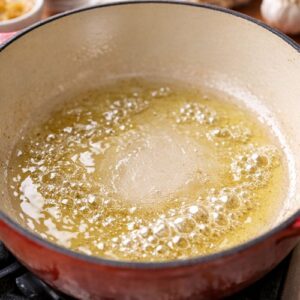
- In your Dutch oven or large deep skillet, warm 2 tablespoons of neutral oil (I use avocado oil for its high smoke point) over medium-high heat until it shimmers. Add your minced ginger and let it cook for 1 minute, just until fragrant. Add your finely chopped yellow onion and cook for 3-4 minutes, stirring occasionally, until the onion begins to soften and become translucent at the edges. Add your whole garlic cloves and continue cooking for another 1 minute. You're building layers of flavor here, letting each aromatic element develop without browning too aggressively.
Step 5: Introduce Your Spice Blend
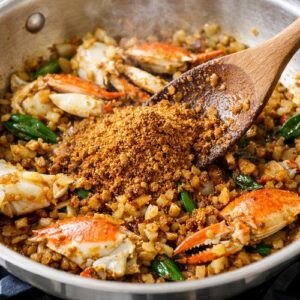
- Add your ground spice mixture (the one you toasted and ground in steps 1 and 2) directly to your aromatics. Stir constantly for 2-3 minutes to bloom the spices in the hot oil. This is crucial—you're cooking out the raw edge of the spices and marrying them with the aromatics. Your kitchen will smell absolutely incredible at this point. Add your unroasted curry powder and cayenne pepper, stirring well. Stir in your tamarind paste and coconut sugar, mixing until everything is well combined and the mixture becomes a fragrant, oily paste.
Step 6: Create the Coconut Broth
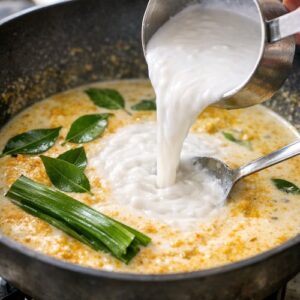
- Pour in your full-fat coconut milk, stirring well to incorporate the spice paste completely. Add your fresh curry leaves and pandan leaf (if using). Bring the mixture to a gentle simmer over medium heat. Let it simmer for 5-7 minutes without the crabs, allowing the flavors to meld and the sauce to reduce slightly. Taste and adjust seasoning with sea salt. This is your moment to assess the flavor balance: Does it need more heat? Add another pinch of cayenne. Does it need brightness? A splash of lime juice (not in the original ingredients, but sometimes I add it). Is it perfectly balanced? You're ready for the crabs.
Step 7: Sear and Simmer the Crabs
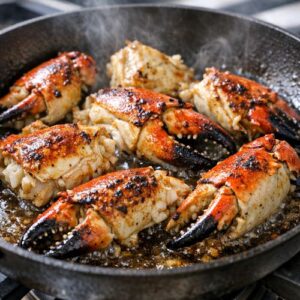
- Increase heat to medium-high. In a separate skillet, quickly sear your crab pieces in a bit of hot oil for 2 minutes per side until the shell turns bright orange-red. This searing step, while optional, creates a textural contrast and seals in the delicate meat. Carefully transfer these seared crab pieces into your simmering curry sauce. Add your fresh chili peppers (whole or halved, depending on your preference for heat distribution). Reduce heat to medium and simmer for 8-10 minutes, allowing the crabs to cook through gently. The meat should be opaque throughout and should pull away from the shell easily when tested with a fork. Do not overcook; crab meat becomes rubbery quickly.
Step 8: Final Adjustments and Garnish
- Remove from heat and taste again. Adjust salt and heat as desired. If your curry seems too thick, add water 2 tablespoons at a time until you reach your preferred consistency. If it seems too thin, simmer uncovered for a few additional minutes to concentrate flavors. Transfer to serving bowls and garnish with fresh drumstick leaves or cilantro if desired. Serve immediately while the aromatics are at their peak.

Notes
- Source your crabs thoughtfully - Blue swimmer crabs are my preference because of their sweet, delicate meat. If you can find a fishmonger who sources directly from sustainable operations, you're supporting both quality and ocean health. Call ahead and request live crabs; they should be active and responsive.
- Don't skip the whole spice toasting - I know it adds a step, but the difference between pre-ground and freshly toasted spices is the difference between good and transcendent. Those volatile oils in whole spices are what create complexity.
- Use a mortar and pestle, not a spice grinder - While a spice grinder is faster, a mortar and pestle gives you control over texture. You want a blend with some texture remaining, not a fine powder.
- Keep your coconut milk at room temperature before adding - Cold coconut milk can seize slightly when added to hot oil. I let mine sit on the counter while I prepare the aromatics.
- Make-ahead advantage: prepare components the day before - Toast and grind your spices, prep your aromatics (ginger, garlic, onion), and clean your crabs up to 4 hours ahead. Keep crab pieces refrigerated in an airtight container. This transforms dinner prep into assembly, which is where the joy lives.
- Invest in a quality Dutch oven - I use a 5-quart enameled cast iron Dutch oven for this recipe. The even heat distribution and retention mean your curry cooks beautifully, and you can move directly from stovetop to table for serving. It's worth the investment.