This post contains affiliate links. As an Amazon Associate I earn from qualifying purchases.
Picture this: late afternoon light streaming through tall windows, the kind of golden hour that makes everything look like a painting. You’re standing in your kitchen, preparing something that will make your guests lean back in their chairs and sigh with pure contentment. That’s the magic of coconut panna cotta—a dessert so silky, so luxurious, yet surprisingly simple that it feels like a secret you’re sharing with everyone at your table. I first discovered the power of this dish while testing recipes for a summer dinner party, and watching my guests’ faces light up with that first spoonful convinced me: this is the kind of recipe that transforms an ordinary evening into something memorable. If you’re looking to round out your elegant dessert repertoire, pair this with a best recipe for pavlova for a stunning two-course finale.
Coconut Panna Cotta Recipe: The Elegant Dessert That Will Steal the Show at Your Next Dinner Party
My connection to this recipe runs deep—it emerged during a particularly warm Alabama evening when I wanted to create something that felt both indulgent and intentional. Traditional panna cotta, that Italian custard-like delicacy, has always represented to me the intersection of simplicity and sophistication. But when I introduced coconut milk into the base, everything shifted. The creamy richness deepened, the flavor profile became more complex, and suddenly I had a dessert that whispered elegance rather than shouting it. This isn’t just another panna cotta recipe; it’s a celebration of mindful indulgence—proving that we don’t need to choose between nourishment and luxury, between what’s good for us and what makes us feel genuinely alive.
When to Make Coconut Panna Cotta Recipe
I’ve learned through years of planning dinners that certain dishes belong to certain moments. This coconut creation isn’t just a dessert for any occasion—it’s a carefully considered choice for specific celebrations where elegance matters and time allows for proper preparation. Think about these perfect moments to bring this to your table:
- Summer dinner parties under string lights – the tropical coconut flavor pairs beautifully with warm evenings, outdoor gatherings, and that leisurely pace where guests linger over dessert conversations
- Anniversary or special occasion celebrations – this is the kind of refined dessert that says “you matter” without being overly formal; it’s personal luxury on a plate
- When you want to impress without stress – because the entire dessert can be made 24 hours ahead, you’re free to enjoy your guests rather than hiding in the kitchen
- Tropical-themed events or destination dinners – the coconut and passion fruit combination instantly transports your guests somewhere warm and exotic
- When you’re entertaining people with refined palates – this dessert speaks to those who understand the difference between good cooking and mindful cooking
What Makes This Coconut Panna Cotta Recipe Special
As a registered dietitian, I approach every recipe with both my clinical knowledge and my heart. What makes this panna cotta stand apart isn’t just the luxurious texture or the elegant presentation—it’s that this dessert proves something I’ve built my entire career around: indulgence and mindfulness absolutely can coexist. The full-fat coconut milk provides genuine satisfaction; you’re not eating a “diet version” or a diminished alternative. Your body recognizes real food, real fat, real nourishment. That satiety means you need far less to feel genuinely satisfied. The gelatine creates that signature silky texture without any heaviness—it’s decadent without being dense. And when you serve this with fresh passion fruit and strawberries, you’re adding living nutrition: antioxidants, vitamins, and the kind of natural sweetness that doesn’t require apology.
What elevates this above everyday cooking is the intentionality baked into every step. The lime zest adds brightness and sophistication. The vanilla extract deepens the coconut’s natural warmth. The careful blooming of gelatine and gentle heating ensure you achieve that impossibly silky texture—the kind that melts on your tongue like a whisper. This is the kind of dessert that makes people slow down, that makes them taste every spoonful, that turns dinner into an experience.
Scaling for Your Crowd
I plan menus for everything from intimate dinners for two to celebrations for twenty, and I’ve learned that this panna cotta scales beautifully. The key is maintaining proper proportions and allowing adequate refrigeration time. Here’s how I adjust for different party sizes:
- For 2 people (2 servings) – use 250 milliliters coconut milk, 40 grams sugar, ¼ teaspoon vanilla, zest of ½ lime, 1 teaspoon powdered gelatine, 1 tablespoon cold water, and 1-2 passion fruit with 75 grams strawberries; prepare in small wine glasses or espresso cups; refrigerate minimum 4 hours (overnight is ideal)
- For 4 people (4 servings) – use 375 milliliters coconut milk, 60 grams sugar, ⅜ teaspoon vanilla, zest of ¾ lime, 1½ teaspoons powdered gelatine, 1½ tablespoons cold water, and 2-3 passion fruit with 110 grams strawberries; use standard ramekins or small bowls; refrigerate minimum 5 hours
- For 8-10 people (10 servings) – use the full recipe below as written; you may prepare in individual ramekins or one large shallow dish for family-style serving; ensure your refrigerator has adequate space; refrigerate minimum 5 hours, preferably overnight
- For 15-20 people (20 servings) – double the full recipe; prepare in two batches to ensure even gelatine distribution; use two separate refrigerator shelves for adequate chilling; this is where making ahead truly shines—prepare these 24 hours before service
The Ingredients
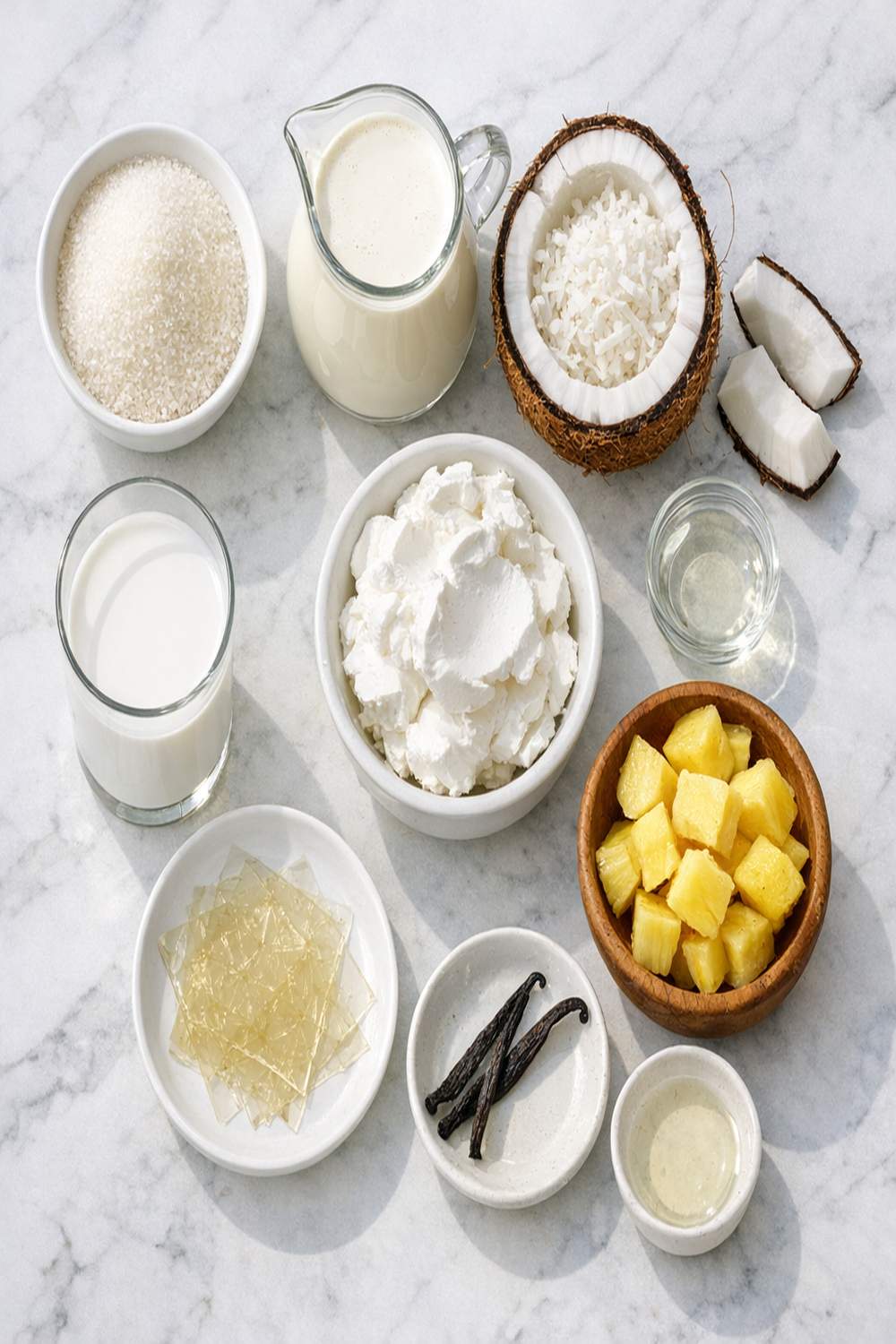
Here’s everything you need to create an impressive dessert that tastes like a professional pastry chef prepared it. These ingredients work together to create something greater than their individual parts—that’s where the magic lives:
- 30 milliliters cold water (this blooms the gelatine before incorporation; cold water prevents clumping)
- 2 teaspoons powdered gelatine (8 grams measured by weight; this is the ingredient that creates that signature silky texture)
- 80 grams granulated sugar (measured by weight for precision; this amount allows the coconut’s natural sweetness to shine)
- ½ teaspoon pure vanilla extract (not imitation; the real extract provides warmth that complements coconut beautifully)
- 2 tablespoons raw sugar or demerara sugar (optional, for macerating the berries to release their natural juices)
- 500 milliliters coconut milk (full-fat, canned or carton—the richness is essential; I prefer brands that list only coconut and water)
- 3-4 fresh passion fruit (ripe and fragrant; the tartness balances the richness of coconut; approximately 150 grams pulp and seeds)
- 1 tablespoon coconut oil (for lightly greasing ramekins; this prevents sticking without affecting flavor)
- pinch of fine sea salt (this small amount amplifies all the other flavors without adding obvious saltiness)
- 150 grams fresh strawberries (at peak ripeness, preferably locally sourced; slice or halve depending on size)
- zest of 1 lime (fresh-grated using a microplane zester; this bright note prevents the dessert from feeling heavy)
How to Make Coconut Panna Cotta Recipe for Your Occasion
This is where your mindful indulgence becomes reality. I want you to feel confident that you’re creating something truly special—this process is straightforward, but each step matters. Take your time, trust the process, and remember that this is achievable for anyone willing to be intentional in the kitchen.
Step 1: Bloom Your Gelatine Properly
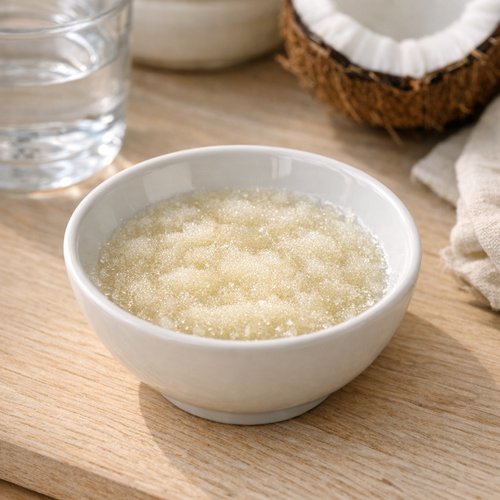
Pour the 30 milliliters of cold water into a small bowl and sprinkle the powdered gelatine across the surface. Do not stir immediately—let it sit for about 2-3 minutes so the gelatine absorbs the water completely. This blooming process is critical; it prevents lumps from forming when you add it to the warm coconut mixture. I use a small liquid measuring cup or ramekin for this, which makes it easy to pour into the hot mixture later without spilling.
Step 2: Prepare Your Serving Vessels
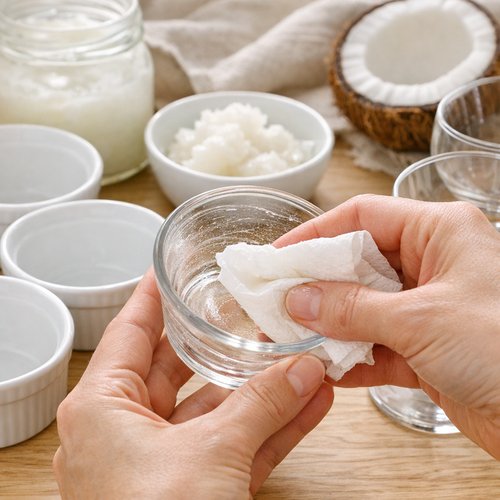
While your gelatine blooms, lightly coat the interior of 10 small ramekins, wine glasses, or serving bowls with coconut oil. Use a paper towel to distribute it thinly and evenly—you want just enough to prevent sticking without creating a greasy mouthfeel. Arrange these vessels on a small tray or flat baking sheet (this makes it easier to move them all into the refrigerator at once). This preparation step means you’re never rushing at the final moment.
Step 3: Heat Your Coconut Mixture Gently
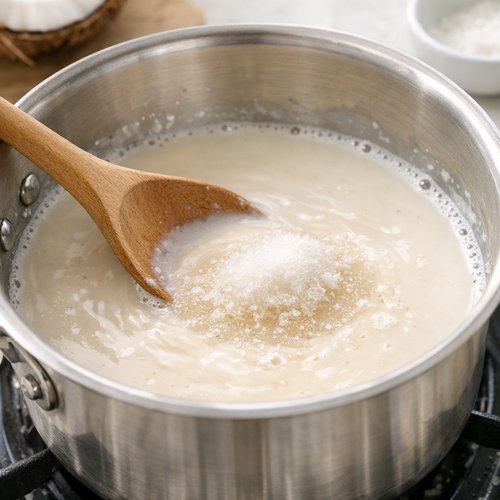
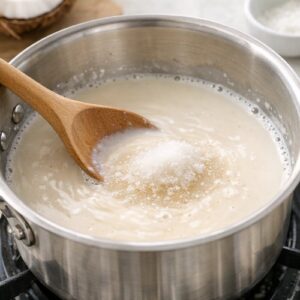
In a medium-sized saucepan, combine the 500 milliliters coconut milk, 80 grams sugar, and pinch of sea salt. Place over medium heat and stir occasionally with a whisk, watching carefully as the sugar dissolves. This is crucial: you want the mixture to be warm and the sugar fully dissolved, but it should never come to a boil. If it begins to bubble at the edges, remove it from heat immediately. This gentle approach preserves the delicate coconut flavor and prevents the gelatine from breaking down. The entire process should take about 5-7 minutes.
Step 4: Incorporate Your Aromatics and Gelatine
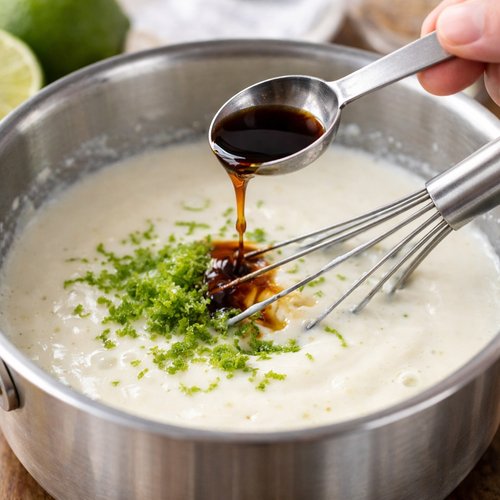
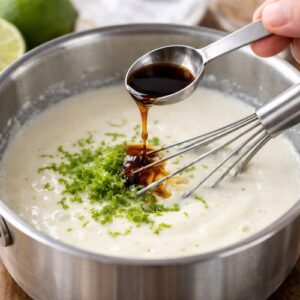
Remove the saucepan from heat and immediately add the vanilla extract and lime zest. Stir these in thoroughly so the bright lime flavor distributes evenly. Now add your bloomed gelatine to the warm (not hot) coconut mixture. Stir continuously for about one full minute until you see no visible traces of gelatine granules remaining. The mixture should look completely smooth and homogeneous. If you notice any resistance or feel graininess, return the pan to low heat for just 30 seconds while whisking, then remove from heat again. The gelatine will dissolve completely in the residual warmth.
Step 5: Achieve That Signature Silky Texture
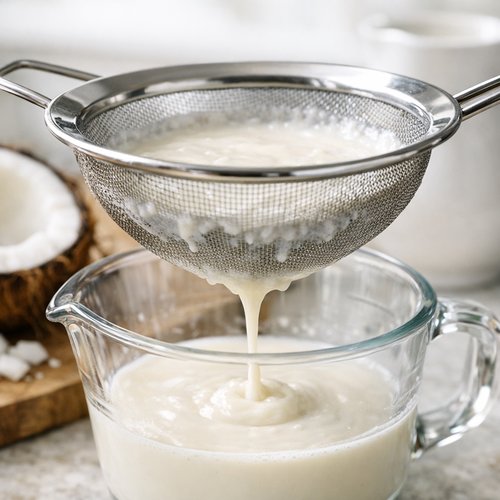
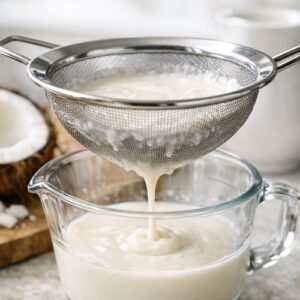
For the silkiest possible texture—the kind that makes people close their eyes when they taste it—pour the mixture through a fine-mesh sieve into a separate bowl. This removes any microscopic gelatine particles that might create a slightly grainy texture. This step is what separates good panna cotta from truly luxurious panna cotta. Take your time here; there’s no rushing this part.
Step 6: Fill Your Prepared Vessels
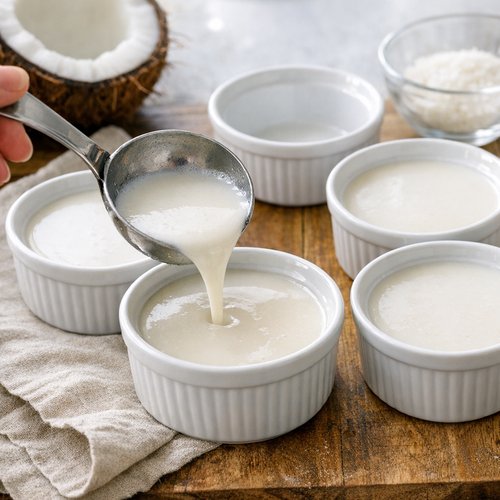
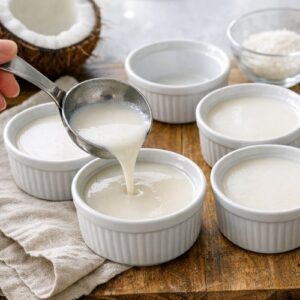
Working carefully and steadily, pour the strained coconut mixture into your prepared ramekins, dividing it evenly among them. I use a small ladle or measuring cup with a pouring spout to make this easier and to minimize splashing. Fill each vessel about three-quarters full, leaving room for your fruit topping. Set the tray into your refrigerator on a flat shelf where nothing will disturb it.
Step 7: Chill with Patience
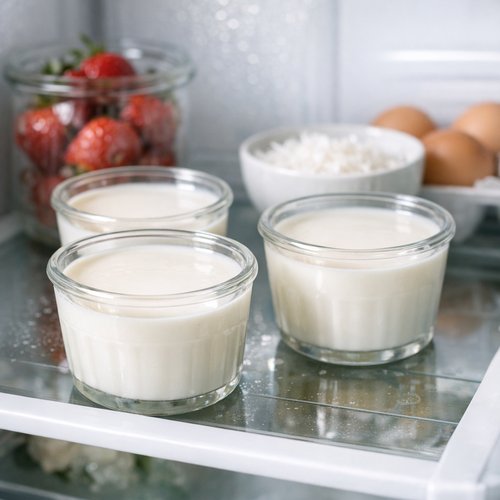
This is where patience becomes an ingredient. Refrigerate the panna cotta for a minimum of 5 hours, though overnight (8-12 hours) produces the most perfect texture. The gelatine needs adequate time to set completely. You’ll know they’re ready when the surface is set and slightly jiggly when you gently shake the ramekin—that wobble tells you the interior is perfectly set but still silky, not firm.
Step 8: Prepare Your Fruit Topping
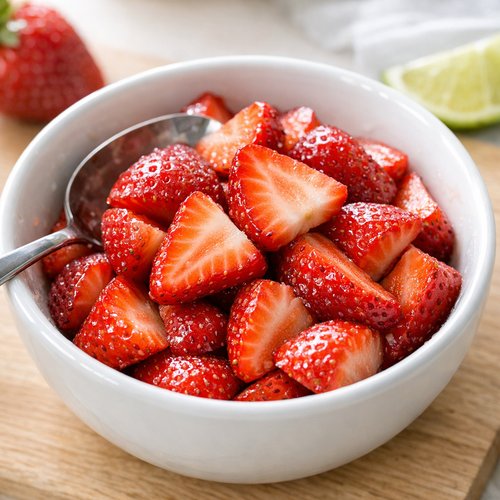
About one hour before serving, prepare your fresh fruit. Slice or halve the strawberries and place them in a small bowl. If desired, toss them with 1-2 teaspoons of raw or demerara sugar to encourage them to release their natural juices. Cut your passion fruit in half and scoop out the pulp and seeds into a small bowl—this concentrated tartness is what balances the coconut’s richness perfectly. Keep both fruits refrigerated until service.
Step 9: Serve with Elegance
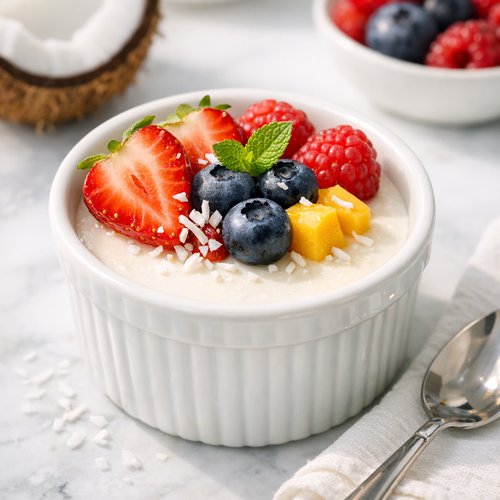
You have two beautiful options here: serve the panna cotta directly in its ramekin, topped with fresh fruit—this is elegant in its simplicity and means less risk of the panna cotta breaking. Or, if you’d like that polished presentation, carefully unmold each panna cotta by dipping the ramekin halfway into a bowl of hot water for 10-15 seconds. Remove it from the water, place a serving plate on top, and invert with a gentle shake. If it doesn’t release, dip for another few seconds or run a thin knife around the edges. Either presentation method is correct; choose based on your comfort level and the formality of your event.
Make-Ahead Timeline
One of the greatest gifts of this recipe is that it practically demands advance preparation. Here’s exactly how I plan for a dinner party:
- 2-3 days before – purchase your coconut milk, gelatine, lime, vanilla extract, and sea salt; choose your ramekins and verify they’re clean and ready; this removes stress and allows time for any last-minute ingredient substitutions
- 1 day before – prepare the entire panna cotta through step 7; allow it to refrigerate overnight; this gives you maximum texture perfection and frees your day-of schedule completely
- Morning of your event – purchase your fresh passion fruit and strawberries at peak ripeness; prepare them according to step 8 about one hour before serving; this is the only task required on the actual day
- 30 minutes before serving – if unmolding, prepare your hot water bath; plate any other components of your meal; take a breath and remember how effortlessly elegant this all is
How to Present and Plate Coconut Panna Cotta Recipe
The presentation of this dessert is where your thoughtfulness truly shines. I approach plating the way I approach nutrition—with intention and understanding that we eat with our eyes first. Here are my presentation strategies that transform good dessert into memorable dessert:
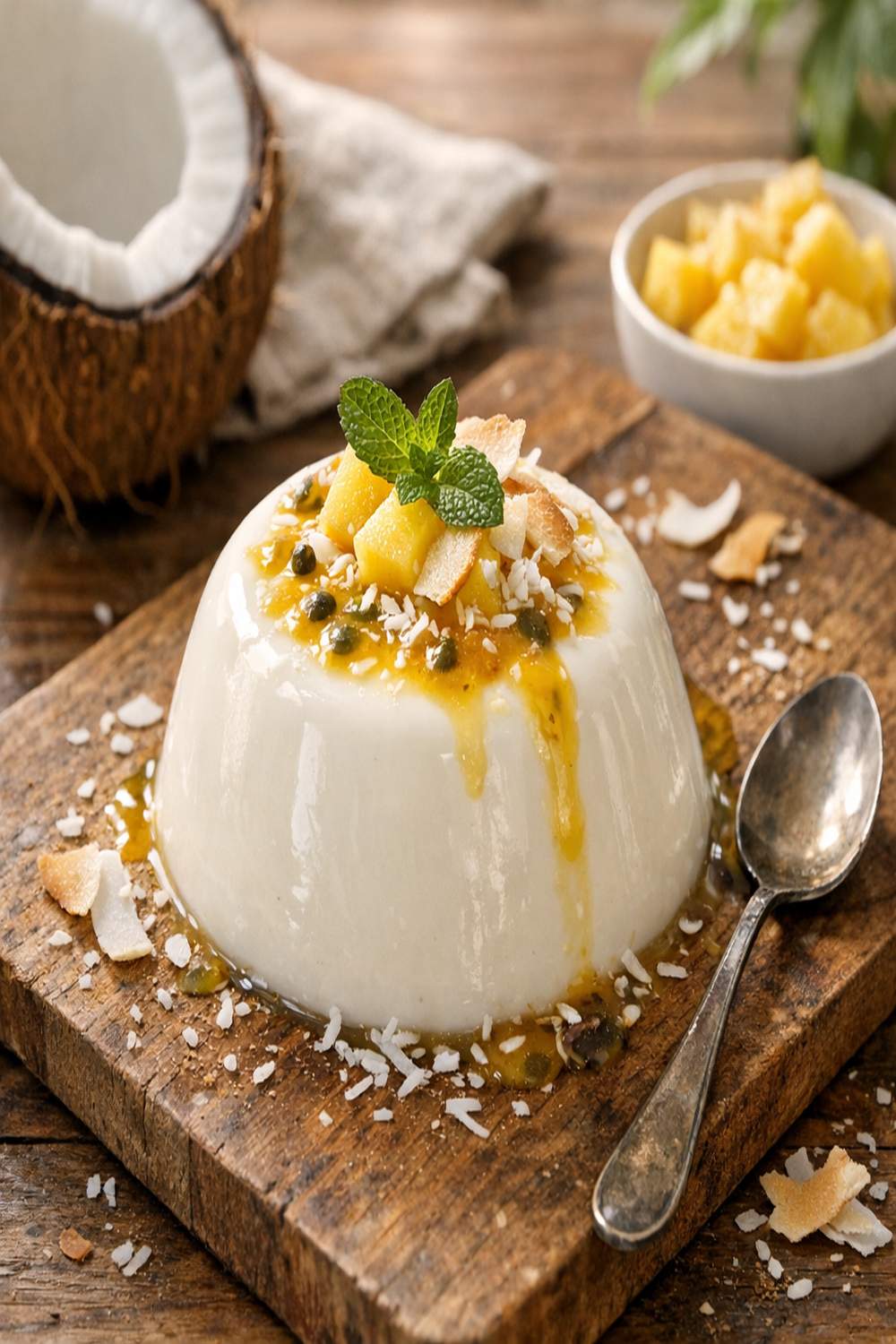
- Create height and dimension – whether serving in ramekins or on plates, don’t simply dump fruit on top; arrange strawberry slices in a fanning pattern, letting some lean against the panna cotta; place passion fruit pulp in the center and let a few seeds cascade down the sides; this visual interest makes the dessert feel like a creation rather than just a sweet
- Consider the color contrast – the pale coconut cream is a blank canvas; deep red strawberries and golden-orange passion fruit create stunning visual contrast; if you have access to edible flowers, a single nasturtium or pansies add unexpected elegance
- Use temperature intentionally – serve the panna cotta cold from the refrigerator, but warm your serving plates slightly under hot water just before plating; this warmth will slightly soften the fruit’s edges and make flavors more pronounced when guests taste it
- Add a finishing touch – a whisper of lime zest over the top, a sprinkle of toasted coconut flakes, or a tiny drizzle of honey creates that “chef’s hand” feeling that tells your guests you cared about every detail
Seasonal Variations
I love that this recipe adapts beautifully across seasons. While the original feels most at home in summer, here’s how I adjust for other times of year:
- Spring and Summer version – use passion fruit and fresh strawberries as written; add edible flowers like pansies or violas; consider adding fresh mint leaves to the coconut mixture for brightness; serve with a glass of Prosecco or light Riesling for the ultimate seasonal pairing
- Fall version – swap vanilla extract for maple syrup (same amount), and add a pinch of cinnamon and cardamom to the coconut milk while heating; replace strawberries with fresh blackberries and figs; the warm spices create a more autumnal feel while maintaining that silky texture
- Winter version – use pomegranate seeds for color and tartness; add a hint of cardamom and a touch of rose water to the base; serve with candied citrus peel; the jewel tones and warm spices feel festive and elegant without the overt sweetness
- Year-round variation – if fresh passion fruit isn’t available, substitute with fresh raspberries or blackberries; the principle remains the same—you want tartness to balance richness
What to Serve Alongside Coconut Panna Cotta Recipe
This dessert is elegant enough to stand alone, but I’m a believer in building complete, thoughtful menus. When I’m planning a dinner party that features coconut panna cotta, I think about what comes before and after, how flavors build and resolve. Consider pairing this with brioche recipe braided served warm with good butter as a palate cleanser between courses, or beginning your meal with something fresh and savory to make the coconut’s richness feel more luxurious by contrast.
- Savory opening course – something with bright acidity and fresh herbs, perhaps a simple ceviche or cucumber gazpacho; this prepares the palate for the richness to come and makes the transition to dessert feel elegant rather than heavy
- Main course approach – if this panna cotta is your finale, consider serving a light grilled fish or herb-roasted chicken as your protein; coconut pairs beautifully with seafood and poultry, creating a cohesive menu narrative
- Beverage pairing – a chilled dessert wine like Moscato, a sparkling Prosecco, or even champagne complements the tropical notes; if serving warm tea, choose white tea with jasmine or chamomile for gentleness
- Textural contrast – if you’d like additional elements, serve alongside homemade feuilletine flakes for a subtle crunch, or small almond tuiles for guests who enjoy that crisp contrast against silky panna cotta
Can I Store Coconut Panna Cotta Recipe?
Storage is one of my favorite aspects of this recipe—it’s genuinely built for advance preparation and planning. Here’s exactly what you need to know about keeping these beautiful:
Refrigerated storage: 3-4 days maximum. Keep your prepared panna cotta in their ramekins, loosely covered with plastic wrap. The gelatine maintains its perfect texture throughout this timeframe. I typically make these the day before a dinner party, which means they’re at peak perfection when guests arrive.
Freezing: Not recommended. The gelatine-based structure doesn’t freeze well; thawing creates a grainy, separated texture that destroys the silkiness you’ve worked to achieve. This isn’t a make-months-ahead dessert, which actually makes it more special—it demands fresh ingredients and recent preparation.
Storage for fresh fruit toppings: Maximum 2-4 hours. Prepare your strawberries and passion fruit no more than a few hours before serving. If you prepare them further in advance, the strawberry juices begin to weep and the passion fruit oxidizes slightly. This is why I recommend preparing fruit the morning of or one hour before service.
Pro tip for transport: If you’re taking this to an event, keep the panna cotta in ramekins (don’t unmold) and transport in a flat container on a stable surface. The ramekins protect the delicate texture, and flat transport prevents any shifting or spillage.
Expert’s Nutritional Tip from a Registered Dietitian
I want to share something important about this dessert from my clinical perspective. The full-fat coconut milk in this recipe provides medium-chain triglycerides (MCTs), which your body metabolizes differently than long-chain fats. This isn’t an excuse to overconsume, but rather an acknowledgment that the fat in coconut milk actually supports satiety—meaning you feel satisfied with a smaller portion. This is precisely why mindful indulgence works: when you’re eating genuinely delicious, real food, your body knows when it’s satisfied and you naturally eat less. A single serving of this panna cotta (approximately 100 milliliters) provides roughly 180-220 calories, 15 grams of fat, 12 grams of carbohydrates, and less than 1 gram of protein—but the richness and satisfaction factor means this truly satisfies a dessert craving in a way that many lower-calorie alternatives never achieve. The fresh passion fruit adds negligible calories while providing vitamin C, antioxidants, and fiber. This is nutrition that works with your body, not against it.
Common Mistakes to Avoid
After preparing countless panna cottas and teaching others to do the same, I’ve identified the specific missteps that separate good results from perfect ones:
- Skipping the bloom step or rushing it – gelatine must have adequate time to absorb water, or you’ll end up with a grainy, lumpy texture. Those 2-3 minutes of waiting aren’t optional; they’re the difference between silky and disappointing
- Overheating the coconut milk or allowing it to boil – heat breaks down gelatine and can cause the coconut milk to separate. Keep your heat at medium and remove from the stove the moment steam rises; residual heat will finish the job
- Skipping the fine-mesh sieve step – I know this feels optional, but it truly isn’t. Those microscopic gelatine particles create a slightly grainy mouthfeel that prevents that luxurious silky sensation you’re working toward
- Not allowing adequate refrigeration time – rushing this and serving after only 2-3 hours results in a wobbly, underset panna cotta that’s more mousse than custard. The minimum 5-hour chill isn’t negotiable; overnight is genuinely better
- Using low-fat or light coconut milk – this is where you cannot compromise. The richness and flavor come directly from the fat content; anything less than full-fat coconut milk results in a thin, watery, unsatisfying dessert
Nutrition Information
Based on USDA nutritional database calculations, per serving (approximately 95-100 milliliters panna cotta plus fresh fruit topping, serves 10):
Calories: 185 | Fat: 14.2g (saturated: 12.8g) | Protein: 2.1g | Carbohydrates: 15.3g | Fiber: 1.2g | Sugar: 13.8g | Sodium: 45mg | Cholesterol: 0mg
The saturated fat comes primarily from coconut milk; while high in total fat, coconut’s medium-chain triglycerides are metabolized efficiently. The fresh fruit topping adds minimal calories while contributing antioxidants and fiber.

Coconut Panna Cotta Recipe
Ingredients
Method
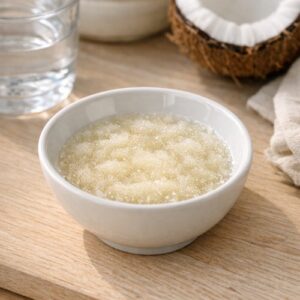
- Pour the 30 milliliters of cold water into a small bowl and sprinkle the powdered gelatine across the surface. Do not stir immediately—let it sit for about 2-3 minutes so the gelatine absorbs the water completely. This blooming process is critical; it prevents lumps from forming when you add it to the warm coconut mixture. I use a small liquid measuring cup or ramekin for this, which makes it easy to pour into the hot mixture later without spilling.
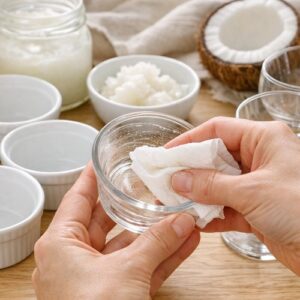
- While your gelatine blooms, lightly coat the interior of 10 small ramekins, wine glasses, or serving bowls with coconut oil. Use a paper towel to distribute it thinly and evenly—you want just enough to prevent sticking without creating a greasy mouthfeel. Arrange these vessels on a small tray or flat baking sheet (this makes it easier to move them all into the refrigerator at once). This preparation step means you're never rushing at the final moment.
- In a medium-sized saucepan, combine the 500 milliliters coconut milk, 80 grams sugar, and pinch of sea salt. Place over medium heat and stir occasionally with a whisk, watching carefully as the sugar dissolves. This is crucial: you want the mixture to be warm and the sugar fully dissolved, but it should never come to a boil. If it begins to bubble at the edges, remove it from heat immediately. This gentle approach preserves the delicate coconut flavor and prevents the gelatine from breaking down. The entire process should take about 5-7 minutes.
- Remove the saucepan from heat and immediately add the vanilla extract and lime zest. Stir these in thoroughly so the bright lime flavor distributes evenly. Now add your bloomed gelatine to the warm (not hot) coconut mixture. Stir continuously for about one full minute until you see no visible traces of gelatine granules remaining. The mixture should look completely smooth and homogeneous. If you notice any resistance or feel graininess, return the pan to low heat for just 30 seconds while whisking, then remove from heat again. The gelatine will dissolve completely in the residual warmth.
- For the silkiest possible texture—the kind that makes people close their eyes when they taste it—pour the mixture through a fine-mesh sieve into a separate bowl. This removes any microscopic gelatine particles that might create a slightly grainy texture. This step is what separates good panna cotta from truly luxurious panna cotta. Take your time here; there's no rushing this part.
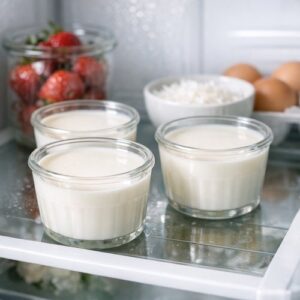
- Working carefully and steadily, pour the strained coconut mixture into your prepared ramekins, dividing it evenly among them. I use a small ladle or measuring cup with a pouring spout to make this easier and to minimize splashing. Fill each vessel about three-quarters full, leaving room for your fruit topping. Set the tray into your refrigerator on a flat shelf where nothing will disturb it.
- This is where patience becomes an ingredient. Refrigerate the panna cotta for a minimum of 5 hours, though overnight (8-12 hours) produces the most perfect texture. The gelatine needs adequate time to set completely. You'll know they're ready when the surface is set and slightly jiggly when you gently shake the ramekin—that wobble tells you the interior is perfectly set but still silky, not firm.
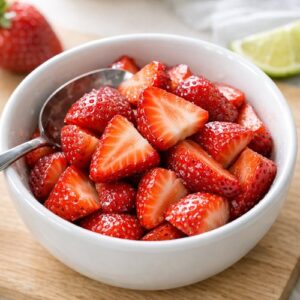
- About one hour before serving, prepare your fresh fruit. Slice or halve the strawberries and place them in a small bowl. If desired, toss them with 1-2 teaspoons of raw or demerara sugar to encourage them to release their natural juices. Cut your passion fruit in half and scoop out the pulp and seeds into a small bowl—this concentrated tartness is what balances the coconut's richness perfectly. Keep both fruits refrigerated until service.
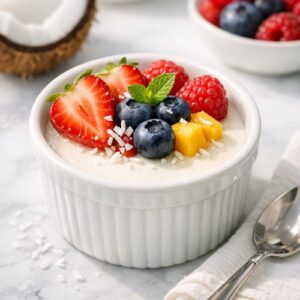
- You have two beautiful options here: serve the panna cotta directly in its ramekin, topped with fresh fruit—this is elegant in its simplicity and means less risk of the panna cotta breaking. Or, if you'd like that polished presentation, carefully unmold each panna cotta by dipping the ramekin halfway into a bowl of hot water for 10-15 seconds. Remove it from the water, place a serving plate on top, and invert with a gentle shake. If it doesn't release, dip for another few seconds or run a thin knife around the edges. Either presentation method is correct; choose based on your comfort level and the formality of your event.
Notes
FAQs
Can I make this panna cotta for a large dinner party if I don’t have 10 ramekins?
Absolutely. I often prepare panna cotta in one large shallow baking dish (9×13 inch), then serve it family-style by portioning with a spoon or small ice cream scoop directly into bowls or onto plates. This actually creates a beautiful, rustic presentation. The chilling time remains the same, and you eliminate the individual vessel requirement entirely. For very large groups, I’ve made panna cotta in two large dishes, which also ensures even chilling throughout.
What if I can’t find passion fruit—what are good substitutes?
Fresh raspberries or blackberries provide similar tartness and beautiful color. You could also use fresh pomegranate seeds for a winter variation. A tart berry coulis (fresh raspberry or blackberry purée strained through fine mesh and lightly sweetened) works beautifully. Even a passion fruit juice concentrate reconstituted according to package directions works if you cannot find fresh fruit, though the texture and flavor of fresh fruit is superior.
Is it possible to unmold panna cotta without it breaking, or should I just serve it in ramekins?
It’s absolutely possible with proper technique. The keys are: ensure complete setting (minimum 5 hours, preferably overnight), use a thin-bladed knife to loosen edges if needed, and don’t hold the ramekin in hot water longer than 15 seconds. If you’re nervous, serving in ramekins is perfectly elegant and eliminates any risk. I actually prefer ramekin service for dinner parties because it’s less stressful and the presentation is inherently polished.
Can I make individual panna cotta in wine glasses for a more elegant presentation?
Yes, and I love this approach for cocktail parties or less formal gatherings. Fill wine glasses about two-thirds full, refrigerate, then top with fresh fruit just before serving. Guests eat directly from the glass with a small spoon, which feels modern and elegant. The only drawback is that wine glasses chill more slowly, so add 1-2 hours to your refrigeration time to ensure complete setting.
How far in advance can I purchase ingredients without them losing quality?
Canned or shelf-stable coconut milk keeps for months, so purchase weeks ahead without concern. Gelatine, vanilla extract, and sugar are indefinite. However, purchase fresh strawberries and passion fruit no more than 1-2 days before preparation—these are perishable and lose their bright flavor and texture quickly. Limes can be purchased 2-3 days ahead and kept at room temperature or refrigerated.
More Recipes for Your Table
- Brown Sugar Boba Pearls Recipe – add textural contrast and visual interest to desserts and beverages with these chewy, caramel-sweet pearls
- this summer fruit dessert – create a sophisticated sweet-savory dessert that celebrates seasonal fruit with elegant simplicity
- Goat Cheese Avocado Toast – understand how I approach breakfast with the same mindful indulgence philosophy that guides my dessert creations
There’s something profoundly beautiful about standing in your kitchen and creating something that will make people feel genuinely cared for. That’s what this coconut panna cotta represents—not just a dessert, but a gesture of thoughtfulness, an investment in making an ordinary evening into something memorable. The silky texture, the bright burst of passion fruit, the way the lime zest whispers its presence—these aren’t accidents. They’re the result of decisions made with intention and love. As you prepare this for your table, remember that you’re not just following a recipe; you’re creating an experience, a memory, a moment when your guests will pause and taste pure elegance. That’s the intersection of nutrition and indulgence, of clinical knowledge and heartfelt cooking. Savor the joy of cooking!