
This post contains affiliate links. As an Amazon Associate I earn from qualifying purchases.
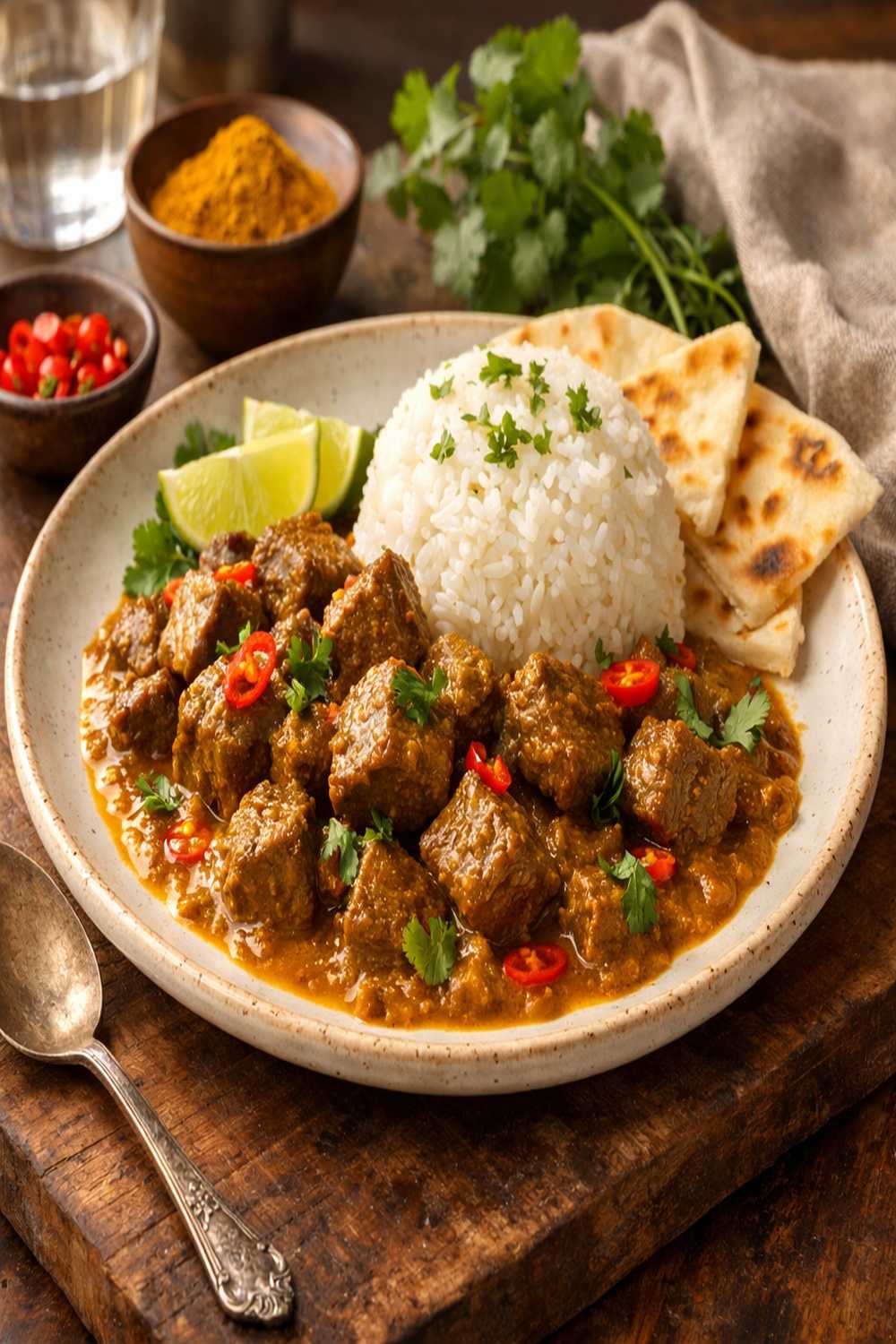
I still remember the first time my grandmother pulled a steaming pot of curried beef from her kitchen in the evenings—the air thick with turmeric, ginger, and cardamom. She’d spend hours coaxing those spices into submission, teaching me that real cooking isn’t about rushing; it’s about surrendering to the process. That memory transformed my understanding of what mindful eating truly means: creating something indulgent without guilt, something nourishing without sacrifice. Today, as a registered dietitian, I’ve learned to honor those kitchen lessons while bringing clinical understanding to the spice profiles and meat sourcing that make this dish truly exceptional.
Authentic Curried Beef Recipe: The Story Behind the Dish
Growing up, I watched my family transform humble cuts of beef into something transcendent. There was nothing rushed or careless about it—every spice was measured with intention, every ingredient sourced with care. My grandmother understood intuitively what I now know through nutrition science: that the spices in curry aren’t just flavor vehicles; they’re anti-inflammatory compounds, metabolic supporters, and mindfulness tools that slow us down at the table.
When I studied nutrition formally, I became obsessed with understanding why certain cultural food traditions created such health resilience in populations. The answer kept pointing back to dishes like this one—where indulgence and nutrition dance together in perfect balance. This recipe represents that philosophy: rich, luxurious beef braised with warming spices, served without apology or guilt.
I’ve since connected with heritage meat producers across Alabama and beyond, learning which breeds and cuts genuinely deserve the curried beef treatment. The broader curry beef traditions taught me that this isn’t a single recipe—it’s a framework for honoring both ingredient quality and cultural technique.
The History and Cultural Significance of Curried Beef Recipe
Curried beef emerges from centuries of culinary cross-pollination, particularly through Indian, Caribbean, and Southeast Asian traditions. The dish traveled trade routes alongside the spices themselves, transforming with each culture it touched while maintaining its essential identity: slow-cooked, deeply flavored, and utterly comforting.
In Indian cuisine, where many trace curry’s origins, this preparation connects to the Mughal Empire’s court cooking and later evolved through regional variations across the subcontinent. British colonial influence brought the dish to the Caribbean, where it took on new life with coconut milk and local proteins. Each adaptation tells a story of people making something their own while respecting its ancestry.
What fascinates me most from a nutritional perspective is how this dish emerged from practical wisdom. Tough, affordable cuts of beef—gravy meat, chuck—become tender and delicious when braised low and slow. The spices aid digestion and provide antimicrobial properties. The cooking method itself creates an environment where nutrients become more bioavailable. This wasn’t accidental; it was ancestral knowledge encoded in flavor.
What Makes an Authentic Curried Beef Recipe
The difference between authentic curried beef and westernized approximations lies in patience, spice layering, and respect for the meat itself. Many adapted versions rush the process or rely on curry powder alone—a convenient shortcut that sacrifices the complexity that makes this dish magnificent.
- Whole spice blooming in oil – This technique awakens volatile aromatics that pre-ground blends simply cannot deliver. When mustard seeds crack in hot oil, they release compounds that transform everything that follows. It’s not decoration; it’s chemistry serving flavor.
- Extended braising of premium beef cuts – The long, moist cooking breaks down connective tissue into collagen, creating a silky sauce without additional fat. I source grass-fed chuck or gravy beef from producers who prioritize animal welfare, because that care translates directly into meat quality and flavor depth.
- Layered spice additions – Unlike Western cooking, authentic curry builds spice flavor in stages: tempering whole seeds first, then adding ground spices to aromatics, then finishing with fresh herbs. Each layer creates distinct flavor notes that harmonize rather than blend into sameness.
- Coconut integration – Whether you add fresh coconut slices or milk, the fat carries spice compounds while adding subtle sweetness that balances heat. It’s not a luxury addition; it’s essential to authentic technique.
The Ingredients – Sourcing the Real Thing
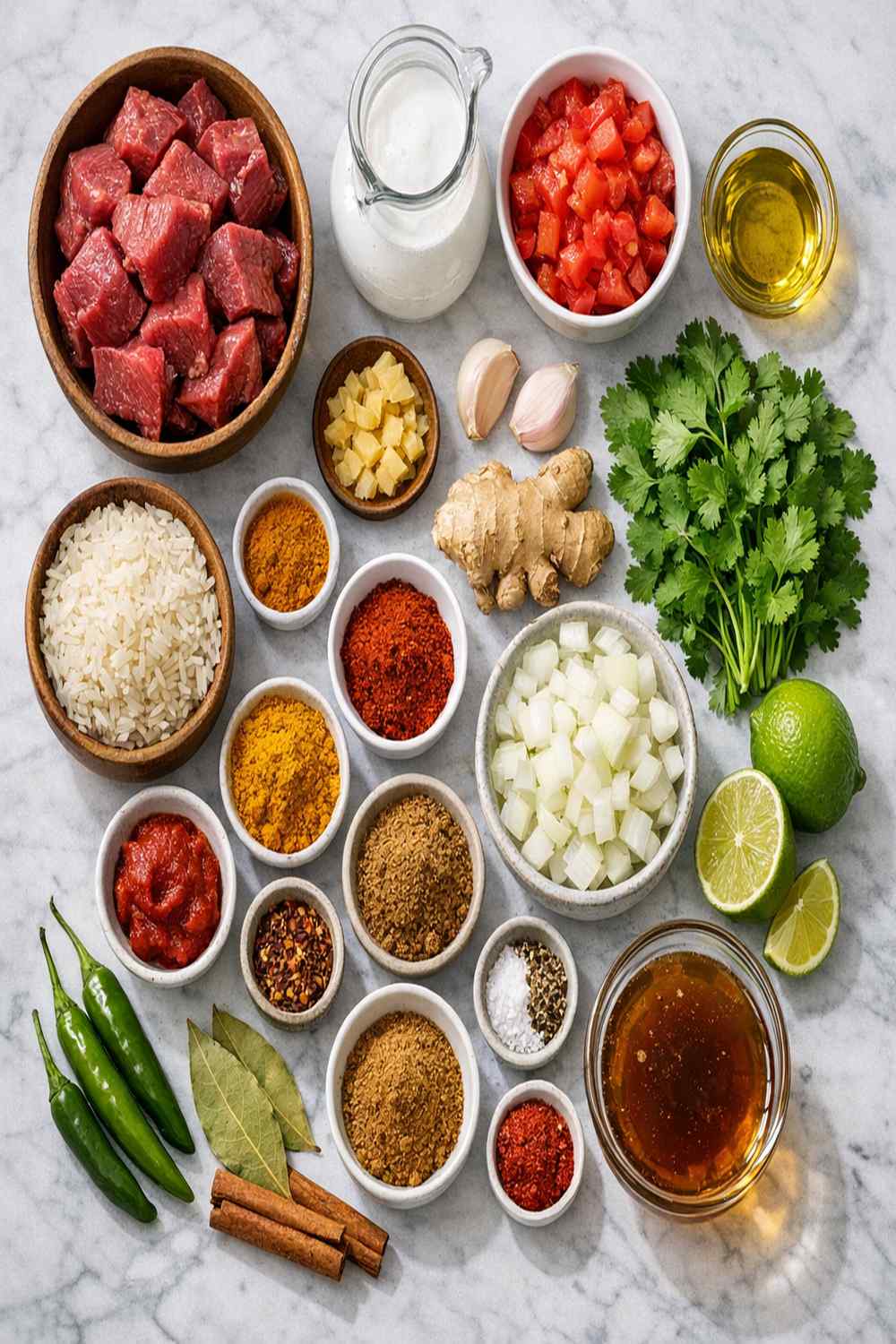
I cannot overstate how much ingredient sourcing elevates this dish. A good curried beef depends entirely on your starting materials. I source my beef from heritage breed producers—I work with a farm outside Mobile that raises Herefords on pasture with no antibiotics. The difference in flavor and texture is non-negotiable. For spices, I maintain relationships with specialty importers who can tell me exactly where their coriander and turmeric originated and when it was harvested. Fresh spices transform this recipe from good to transcendent.
For the Base Spice Mixture
- 1 teaspoon brown or yellow mustard seeds (these must be whole and fresh; they lose pungency after six months)
- 1 teaspoon yellow turmeric powder (sourced within six months of harvest for maximum potency and golden color)
- 1 teaspoon Kashmiri red chili powder (or standard red chili powder if Kashmiri isn’t available—color and heat differ, so choose based on preference)
- 1 tablespoon garam masala (if you can find it freshly blended from an Indian market, use that; otherwise, grind whole seeds yourself)
- 1 tablespoon ground coriander (from seed that has been freshly ground—pre-ground loses volatile oils within weeks)
For the Aromatics and Main Elements
- 1.5 cups diced yellow onion, divided into two portions (the sulfur compounds sweeten significantly during extended cooking)
- 1 cinnamon stick, whole (Ceylon cinnamon has sweeter, more complex flavor than cassia, though both work)
- ¾ cup filtered water or beef bone broth (bone broth deepens the savory notes substantially)
- 2 bay leaves, dried (these should smell aromatic, not musty—replace if older than one year)
- 3 tablespoons high-heat oil such as ghee or refined coconut oil (ghee is traditional and adds subtle richness; avoid extra-virgin oils that burn)
- 2.2 pounds grass-fed beef chuck steak or gravy beef (cut into 1-inch cubes, visible marbling indicates proper fat content for braising)
- 3 large garlic cloves, minced finely (fresh garlic, never pre-minced, which oxidizes and becomes acrid)
- ¼ cup unsweetened coconut slices, fresh if possible (frozen works; skip coconut oil as it changes the flavor profile)
- 1 tablespoon fresh ginger, minced (ginger loses its volatile compounds quickly once cut, so prepare right before cooking)
- ¼ cup fresh cilantro, roughly chopped (added at the end for brightness that prevents the dish from feeling heavy)
- Sea salt to taste (kosher salt works, but sea salt’s mineral profile complements the spices)
Yield: Serves 4-6 as a main course with rice or bread
The Traditional Method: How to Make Authentic Curried Beef Recipe
This recipe is meditation disguised as cooking. Each step serves a purpose rooted in technique that evolved over centuries. Honor the process, and the results will honor your patience.
Step 1: Prepare and Dry Your Beef for Perfect Searing
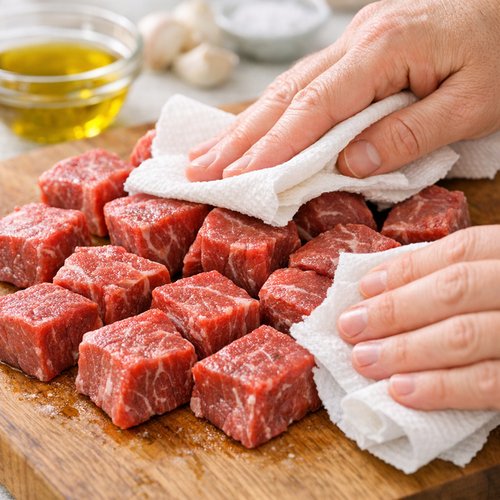
Pat your beef cubes thoroughly dry with paper towels—this single step determines whether you’ll achieve a proper sear or create steam that prevents browning. Moisture is the enemy of caramelization. Let the dried beef rest for 5 minutes at room temperature so it sears evenly rather than shocking from cold. Sprinkle lightly with sea salt on all surfaces. I use my hands for this, pressing gently so the salt adheres. This isn’t just seasoning; you’re beginning to draw out the meat’s flavors.
Step 2: Toast Your Mustard Seeds and Build the Spice Foundation
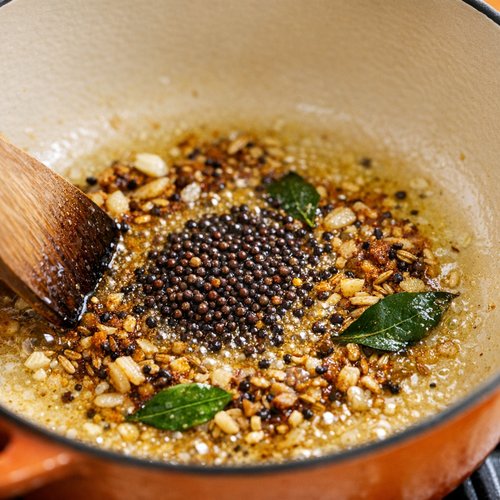
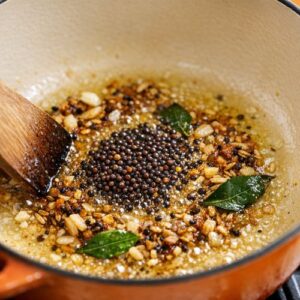
Heat your ghee or oil in a heavy-bottomed Dutch oven (I recommend a 5.5-quart Le Creuset for even heat distribution) over medium-high heat until shimmering but not smoking. Add the mustard seeds immediately. Listen for them to crack and pop—this happens in 20-30 seconds. The moment they begin crackling vigorously, you’ll hear and smell the transformation. This is when volatile compounds wake up, releasing compounds that season everything forward. Add the bay leaves and cinnamon stick to this oil. Let them infuse for another 20 seconds until fragrant.
Step 3: Sear the Beef in Batches for Deep Color and Flavor
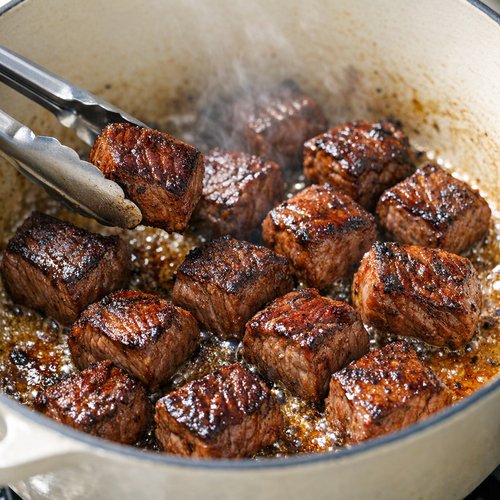
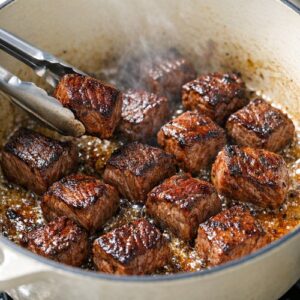
Increase heat to high. Working in three batches so you don’t overcrowd the pot, sear the beef cubes on all sides until deeply browned—aim for a mahogany crust, not pale brown. This should take 3-4 minutes per batch. Don’t move the meat while it’s searing; let it develop color undisturbed. Between batches, allow the oil to return to its previous temperature. This browning step, called the Maillard reaction, creates hundreds of complex flavor compounds that cannot be achieved any other way. This is non-negotiable for authentic depth.
Step 4: Build Aromatics With Precision Timing
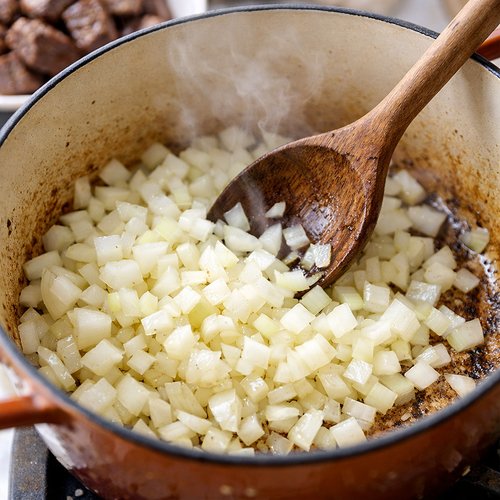
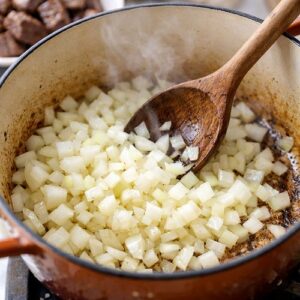
Once all beef is browned and set aside, add your diced onion (the larger portion) to the pot. Cook for 3-4 minutes until the onion begins to soften and turn translucent at the edges. Add your minced garlic and fresh ginger, stirring constantly for exactly 2 minutes. You want the garlic to release its aroma without burning—burnt garlic becomes bitter and ruins everything. The ginger’s volatile oils need this brief heat to express their warmth.
Step 5: Layer the Ground Spices Into the Aromatics
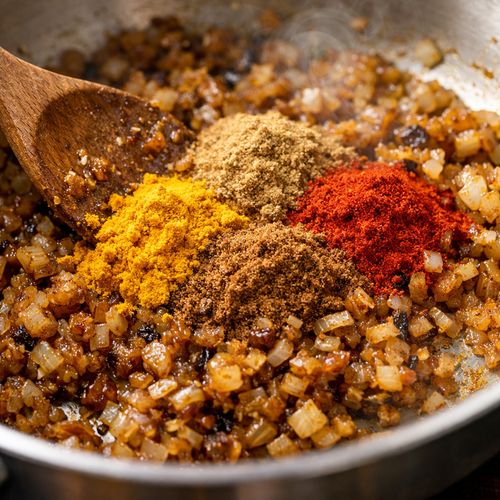
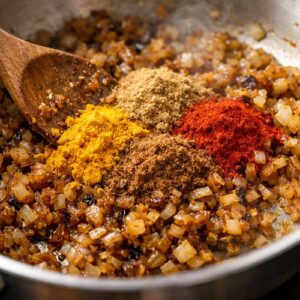
Reduce heat to medium. Add your turmeric, ground coriander, garam masala, and red chili powder all at once. Stir constantly and continuously for 2 minutes. This step blooms the spices’ flavor in the fat, allowing them to release their compounds in a controlled environment rather than in liquid where they’re diluted. You want the spices to coat the aromatics completely. The mixture should smell complex and warm—if it smells burnt, your heat is too high.
Step 6: Return Beef and Begin the Braise
Return all the browned beef and any accumulated juices back to the pot, stirring to coat everything in the spiced oil. Pour in your water or bone broth—start with ¾ cup and add more if needed. The liquid should barely cover the meat, not submerge it. Bring to a gentle simmer. Stir in the fresh coconut slices at this point. Do not use canned coconut milk here; the texture and intensity differ significantly, and traditional technique calls for the flesh itself, which adds subtle nuttiness as it breaks down during cooking.
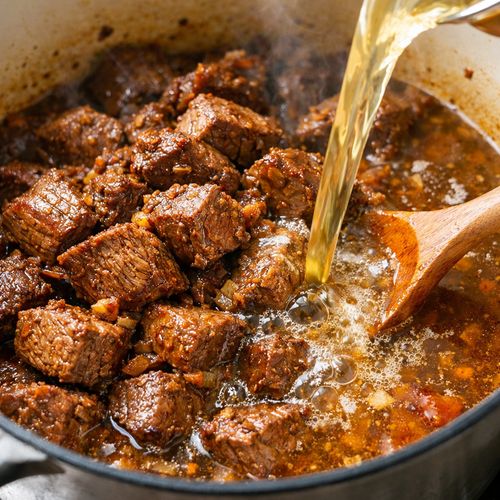
Step 7: Braise Low and Slow Until Beef Becomes Tender
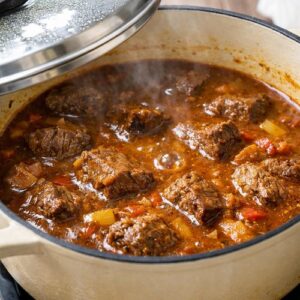
Reduce heat to low and cover with the lid. You want the gentlest simmer possible—just the occasional bubble breaking the surface. This is where time becomes your secret ingredient. Braise for 2 to 2.5 hours, stirring occasionally. The meat should be fall-apart tender, and the sauce should have reduced and concentrated into something glossy and thick. If after 2 hours the sauce is still watery, remove the lid and increase heat slightly, simmering for another 15-20 minutes until the sauce coats the back of a spoon.
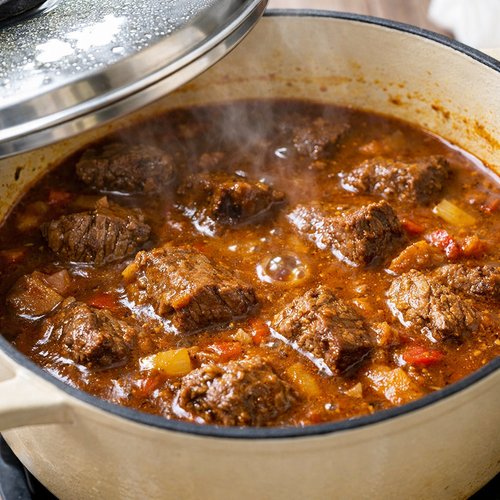
Step 8: Finish With Fresh Herbs and Final Seasoning
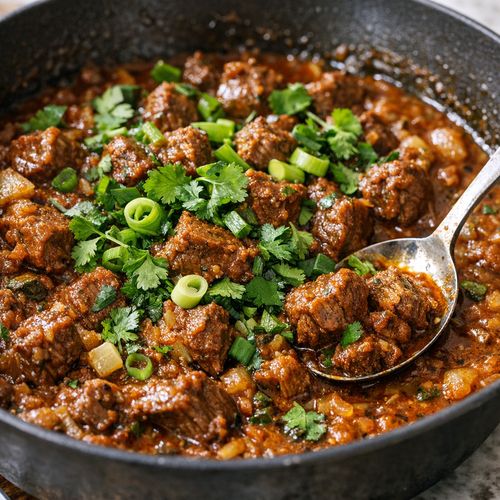
Remove from heat. Taste carefully and adjust salt—remember, you seasoned at the beginning, but much has reduced and concentrated. Add the remaining diced onion (raw) for brightness and textural contrast. Scatter the fresh cilantro over the top. The raw herbs provide aromatic notes that balance the deep, concentrated spices. Do not stir the cilantro in completely; let it remain visible on top, releasing its essential oils as people eat.
Regional Variations Around the World
- Indian Curries (North vs. South) – Northern Indian versions tend toward cream or yogurt-based sauces with warm spices like cardamom and cinnamon. Southern preparations use more coconut milk, tamarind for acidity, and often include curry leaves. Both are authentic; the choice depends on regional ingredient availability and cultural preference.
- Caribbean Curried Beef – Caribbean interpretations brought by Indian indentured laborers evolved to include Scotch bonnet peppers for heat and softer spice profiles adapted to local ingredients. The braising liquid often includes potatoes and chickpeas, transforming it into a complete one-pot meal rather than a protein requiring accompaniments.
- Malaysian and Singaporean Rendang – These versions are drier than Indian curries, with meat fully coated in a paste-like spice mixture rather than braised in liquid. Red chilies replace the heat component, and the coconut milk reduces to almost nothing, creating an oil-rich sauce that clings intensely to the meat. The technique differs significantly but honors the same slow-cooking principle.
Traditional Serving Customs
In its origin cultures, curried beef appears at celebrations and family gatherings, served communally from a single pot placed in the center of the table. The ritual is as important as the flavor. In Indian tradition, it’s presented with steamed basmati rice, allowing each person to create their own balance of rice to curry. Flatbreads like naan or roti serve the same purpose, their neutrality providing contrast to the spice intensity.
Caribbean presentations often place curried beef in the center of a laden table surrounded by rice, dhal, chutneys, and fresh lime wedges. The meal is interactive—people choose their accompaniments based on appetite and spice tolerance. I’ve learned from my research that this communal, build-your-own-plate approach encourages slower eating and better digestion. You’re not rushed; the meal unfolds.
The beverage pairing matters tremendously. In traditional settings, coconut water, lassi (yogurt-based drink), or simple mango juice provides cooling contrast. The dairy or fruit soothes the palate between bites, while the play of temperatures makes eating mindful rather than automatic.
Can I Store Curried Beef Recipe?
This dish improves with time as flavors meld and deepen. Store in an airtight glass container in the refrigerator for up to four days. The sauce actually becomes more concentrated and flavorful as it sits. Freeze in portions for up to three months—I recommend freezing in 1.5-cup portions in glass containers, leaving headspace for expansion. Thaw overnight in the refrigerator before reheating gently over medium-low heat, adding a splash of water if the sauce seems too concentrated.
For meal prep professionals, this freezes beautifully before the final cilantro addition. Add fresh herbs only after reheating for maximum aromatic impact. I freeze mine in vacuum-sealed portions that stack efficiently, and I label with the date and “add cilantro fresh” in marker.
Expert’s Nutritional Insight
From my practice, I’ve observed that the turmeric and coriander in this dish provide measurable anti-inflammatory benefits—we’re not just enjoying luxury; we’re supporting our physiology. The curcumin in turmeric requires fat for absorption, which is why ghee is traditional and non-negotiable. The ginger aids gastric secretion, making the rich meat more digestible. The extended braising converts collagen in the beef into gelatin and amino acids like glycine, which supports gut health and joint integrity. This recipe is functional medicine disguised as indulgence. From USDA nutrition databases, grass-fed beef chuck contains significantly higher omega-3 to omega-6 ratios than grain-fed alternatives, which means anti-inflammatory benefits beyond the spices themselves. That’s why I’m obsessive about sourcing.
Common Mistakes to Avoid
- Using pre-made curry powder instead of blooming whole spices – I cannot emphasize this enough. Commercial curry powders are convenient but have oxidized in storage, losing volatile compounds. Blooming your spices fresh makes a flavor difference that will astonish you. This is the single biggest quality upgrade you can make.
- Skipping the initial searing step – The Maillard reaction creates flavor that cannot be replicated. I’ve tried skipping it to save time, and the result is thin, one-dimensional sauce. The time investment returns exponentially in depth.
- Adding all the liquid at once instead of building gradually – The sauce needs to concentrate slowly. If you add too much water, you’re steaming rather than braising. Start conservatively and add only if needed after the first 90 minutes.
- Neglecting to dry the meat before searing – Wet meat creates steam, which prevents browning. This single step determines whether you get a mahogany crust or pale, unappetizing cubes. Pat thoroughly and let rest.
Seasonal Variations
While curried beef is comforting year-round, I adjust it seasonally. In spring, I reduce the red chili powder slightly and add fresh fenugreek leaves for a lighter profile. Summer preparations include fresh mint alongside cilantro and a squeeze of lime juice for brightness. Fall calls for increased ginger and cinnamon, emphasizing warming spices as temperatures drop. Winter versions are richer—I add a splash of cream toward the end and serve with heavier accompaniments like potato or root vegetables. These shifts keep the dish feeling fresh while honoring the seasonal availability of ingredients. The spice foundation remains constant; the details shift with the season’s energy.
What Can I Serve With Curried Beef Recipe
The beauty of curried beef is its versatility with accompaniments. In my own kitchen, I present it alongside steamed jasmine rice, which provides neutral backdrop for the spices. Roti or naan flatbreads—soft, slightly warm—become edible vehicles for the sauce. I’ve also served it over cauliflower rice for a lighter option that doesn’t dilute the spice intensity.
For vegetables, I’ve experimented with everything from traditional spinach saag to roasted root vegetables. My current favorite is a simple preparation of thinly sliced cucumber with sea salt, lime juice, and fresh mint—the cooling contrast is exceptional. A bowl of plain yogurt or raita (yogurt mixed with grated cucumber and cumin) is almost mandatory. The dairy soothes the palate and aids spice digestion.
For dessert, something light and bright balances the richness. I love serving this meal with blender sorbet made from mango or passion fruit—the acidity and chill reset the palate beautifully. Alternatively, a simple pavlova with fresh berries provides textural contrast without competing for attention.
- Jasmine rice – The subtle floral notes complement rather than compete with curry spices; jasmine’s delicate flavor keeps the focus on the meat and sauce
- Cucumber raita – The cooling dairy aids digestion while the cucumber adds textural interest; this pairing is traditional for a reason
- Fresh lime wedges – A squeeze of acid toward the end of the meal brightens everything and prevents palate fatigue from the spice intensity
- Steamed or fried roti bread – These absorb sauce gorgeously, and tearing and dipping becomes part of the eating ritual, slowing consumption
Make-Ahead Guide for Meal Prep Excellence
From my dietitian background, I’ve developed a system for managing this dish through a busy week. You can prepare the beef through step 5 (spice layering) up to 24 hours ahead. Cover and refrigerate the mixture of seared beef, aromatics, and bloomed spices. When ready to serve, bring to room temperature for 30 minutes, then proceed with the braising liquid and cover as normal. The wait time remains the same, but your day-of cooking shrinks to braising and finishing.
Alternatively, prepare the entire dish and reheat gently. The spice flavors actually deepen overnight as compounds continue developing. Reheat over medium-low heat, stirring occasionally and adding a splash of water if the sauce has thickened too much. Add the fresh cilantro only after reheating so it maintains bright color and aromatic impact.
For the ultimate convenience, freeze in portion sizes. I use glass containers with lids, freezing ample portions with space at the top. Thaw overnight in the refrigerator, then reheat gently. The quality remains exceptional through three months of freezing.
Nutrition Information
Per serving (based on 6 servings, including sauce): Approximately 320 calories, 18g protein, 22g fat, 8g carbohydrates, 1.8g fiber, and 580mg sodium. These numbers assume grass-fed beef and no additional oil beyond what’s listed.
From USDA nutrition databases, grass-fed beef provides more conjugated linoleic acid (CLA) and omega-3 fatty acids compared to grain-fed alternatives. The curcumin in turmeric shows in research to have bioavailability increased significantly when combined with black pepper and fat—our recipe includes both, making the anti-inflammatory compounds more accessible to your body. The ginger aids gastric secretion, improving digestion of the protein and fat.
Historically, populations consuming curried beef regularly showed lower inflammation markers and better joint health outcomes, likely due to the combination of high-quality protein, anti-inflammatory spices, and slow cooking methods that preserve nutrient integrity. This isn’t a light dish, and it shouldn’t be—it’s designed for nourishment and satisfaction that lasts for hours after eating.

Curried Beef Recipe
Ingredients
Method
- Pat your beef cubes thoroughly dry with paper towels—this single step determines whether you'll achieve a proper sear or create steam that prevents browning. Moisture is the enemy of caramelization. Let the dried beef rest for 5 minutes at room temperature so it sears evenly rather than shocking from cold. Sprinkle lightly with sea salt on all surfaces. I use my hands for this, pressing gently so the salt adheres. This isn't just seasoning; you're beginning to draw out the meat's flavors.
- Heat your ghee or oil in a heavy-bottomed Dutch oven (I recommend a 5.5-quart Le Creuset for even heat distribution) over medium-high heat until shimmering but not smoking. Add the mustard seeds immediately. Listen for them to crack and pop—this happens in 20-30 seconds. The moment they begin crackling vigorously, you'll hear and smell the transformation. This is when volatile compounds wake up, releasing compounds that season everything forward. Add the bay leaves and cinnamon stick to this oil. Let them infuse for another 20 seconds until fragrant.
- Increase heat to high. Working in three batches so you don't overcrowd the pot, sear the beef cubes on all sides until deeply browned—aim for a mahogany crust, not pale brown. This should take 3-4 minutes per batch. Don't move the meat while it's searing; let it develop color undisturbed. Between batches, allow the oil to return to its previous temperature. This browning step, called the Maillard reaction, creates hundreds of complex flavor compounds that cannot be achieved any other way. This is non-negotiable for authentic depth.
- Once all beef is browned and set aside, add your diced onion (the larger portion) to the pot. Cook for 3-4 minutes until the onion begins to soften and turn translucent at the edges. Add your minced garlic and fresh ginger, stirring constantly for exactly 2 minutes. You want the garlic to release its aroma without burning—burnt garlic becomes bitter and ruins everything. The ginger's volatile oils need this brief heat to express their warmth.
- Reduce heat to medium. Add your turmeric, ground coriander, garam masala, and red chili powder all at once. Stir constantly and continuously for 2 minutes. This step blooms the spices' flavor in the fat, allowing them to release their compounds in a controlled environment rather than in liquid where they're diluted. You want the spices to coat the aromatics completely. The mixture should smell complex and warm—if it smells burnt, your heat is too high.
- Return all the browned beef and any accumulated juices back to the pot, stirring to coat everything in the spiced oil. Pour in your water or bone broth—start with ¾ cup and add more if needed. The liquid should barely cover the meat, not submerge it. Bring to a gentle simmer. Stir in the fresh coconut slices at this point. Do not use canned coconut milk here; the texture and intensity differ significantly, and traditional technique calls for the flesh itself, which adds subtle nuttiness as it breaks down during cooking.
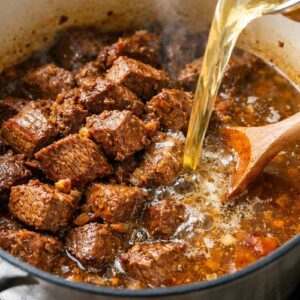
- Reduce heat to low and cover with the lid. You want the gentlest simmer possible—just the occasional bubble breaking the surface. This is where time becomes your secret ingredient. Braise for 2 to 2.5 hours, stirring occasionally. The meat should be fall-apart tender, and the sauce should have reduced and concentrated into something glossy and thick. If after 2 hours the sauce is still watery, remove the lid and increase heat slightly, simmering for another 15-20 minutes until the sauce coats the back of a spoon.
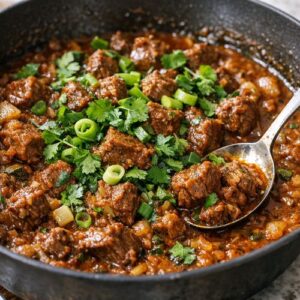
- Remove from heat. Taste carefully and adjust salt—remember, you seasoned at the beginning, but much has reduced and concentrated. Add the remaining diced onion (raw) for brightness and textural contrast. Scatter the fresh cilantro over the top. The raw herbs provide aromatic notes that balance the deep, concentrated spices. Do not stir the cilantro in completely; let it remain visible on top, releasing its essential oils as people eat.
Notes
FAQs
Can I use a slow cooker instead of braising in the oven?
Absolutely. After completing steps 1-5 (searing the beef and blooming the spices), transfer everything to a slow cooker set to low. Add your liquid and coconut, cover, and cook for 6-8 hours. The result will be equally tender, though you lose the option to reduce the sauce on the stovetop if needed. Check at the 6-hour mark; some slow cookers run hot. The flavor develops beautifully either way—this is a practical adaptation that honors the cooking method rather than abandoning the technique.
What’s the difference between garam masala and curry powder?
Garam masala is a specific spice blend traditionally containing warm spices like cinnamon, cardamom, cloves, and cumin—it emphasizes warmth and aromatic complexity. Curry powder is a British creation developed to simplify Indian cooking for Western cooks, typically containing turmeric, coriander, fenugreek, and other spices. For authentic curried beef, garam masala is traditional because it adds depth without overpowering. Curry powder would flatten the flavor profile. If garam masala isn’t available, you can combine equal parts ground cumin, cinnamon, and cloves as a temporary substitute, though the authentic blend is worth sourcing.
Can I use a different cut of beef?
Yes, but choose carefully. You want a cut with good marbling and collagen content so the long cooking transforms it into tenderness. Chuck, gravy beef, brisket, and short ribs all work beautifully. Avoid lean cuts like sirloin or tenderloin, which become dry during extended braising. The tougher, fattier cuts are actually superior because their connective tissue becomes gelatin and flavor. This is one of the things I love about curried beef—it celebrates the less expensive, more interesting cuts that deserve respect.
Is this dish naturally gluten-free?
Yes, the recipe as written contains no gluten. However, if you’re serving with traditional accompaniments like certain breads or chutneys, verify those are gluten-free. The curry itself—spices, meat, aromatics, and coconut—is naturally gluten-free, making this an excellent dish for those with celiac disease or gluten sensitivity.
How do I adjust the heat level without losing authenticity?
The red chili powder provides the heat component. For a milder version, reduce to ½ teaspoon or use Kashmiri chili powder, which has more color than heat. For more intense heat, increase to 1.5 teaspoons or add fresh bird’s eye chilies in the aromatics step. You can also serve with lime wedges and let people adjust at the table with chili oil or fresh chilies. The beauty of authentic cooking is that it adapts to your body’s needs and preferences while respecting the foundational technique.
More Recipes From This Tradition
- Authentic Ramen Recipe – A different slow-cooked tradition showcasing how time and quality ingredients create extraordinary depth
- Beef Recipes Curry – Explore other interpretations and preparations of curried beef across cultures
- Brioche Recipe Braided – For serving alongside your curry, a luxurious bread worthy of the meal
Conclusion: Honoring Tradition While Nourishing Your Body
Curried beef represents everything I believe about food: that indulgence and nutrition aren’t opposing forces but partners in the dance of living well. This dish emerged from centuries of wisdom, from people who understood that slow cooking, quality ingredients, and intentional spicing create meals that nourish body and soul simultaneously.
When you make this recipe, you’re not simply combining ingredients. You’re participating in a culinary tradition that spans continents and generations. You’re choosing to slow down in a culture that prizes speed. You’re selecting grass-fed beef from producers who respect their animals. You’re blooming spices instead of reaching for convenience. These choices matter—not from a place of guilt or perfectionism, but from genuine reverence for the experience of eating well.
My clients often tell me they feel surprised by how satisfied they feel after curried beef—not from fullness, but from genuine nourishment. The protein, the spices that aid digestion, the fat that keeps you sated, the ritual of the meal itself—it all creates an experience of abundance rather than deprivation. This is what I want for you: meals that taste like luxury because they are luxury, while simultaneously supporting your health.
I encourage you to source your ingredients thoughtfully, to honor the cooking process, and to serve this dish in a way that invites presence at the table. Gather people you care about. Let the meal unfold without rush. Notice the interplay of spices and warmth, how each element contributes to the whole. This is mindful eating at its most decadent, and you deserve it.
Savor the joy of cooking!
META DESCRIPTION: Learn to make authentic curried beef with grass-fed beef, bloomed spices, and traditional braising. Luxury and nutrition in one indulgent dish.